Why do people seek out the Chamorro culture charm?
"The spirit of the island remains etched in its history and the resilience of its people."
Understanding why Koreans love Chamorro culture involves looking at the intersection of unique traditions and the island's deep historical roots. This guide explores the cultural appeal of Guam, the economic context of the region, and the historical events that shaped its identity.
You will learn about the demographic landscape and the historical resilience that defines the island.
Why do people seek out the Chamorro culture charm?

At sunset, a traveler breathes in the salty breeze while wandering through a bustling market to discover the charm of Chamorro traditions.
Walking through a local market, the scent of salt air meets the vibrant energy of a community shaped by centuries of tradition. This cultural charm draws travelers who seek more than just a beach vacation.
The unique blend of indigenous roots and colonial history creates a layered identity that fascin0rmers find captivating. People are drawn to the way traditional customs coexist with modern life. This intersection of old and new provides a deep sense of place that is rare in many global destinations.
How does the history shape Korean interest in Chamorro?
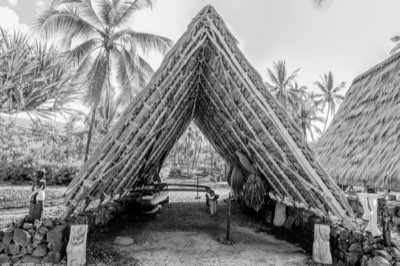
Standing before an ancient stone monument at dawn, a visitor feels the heavy weight of history while contemplating the resilience of Chamorro heritage.
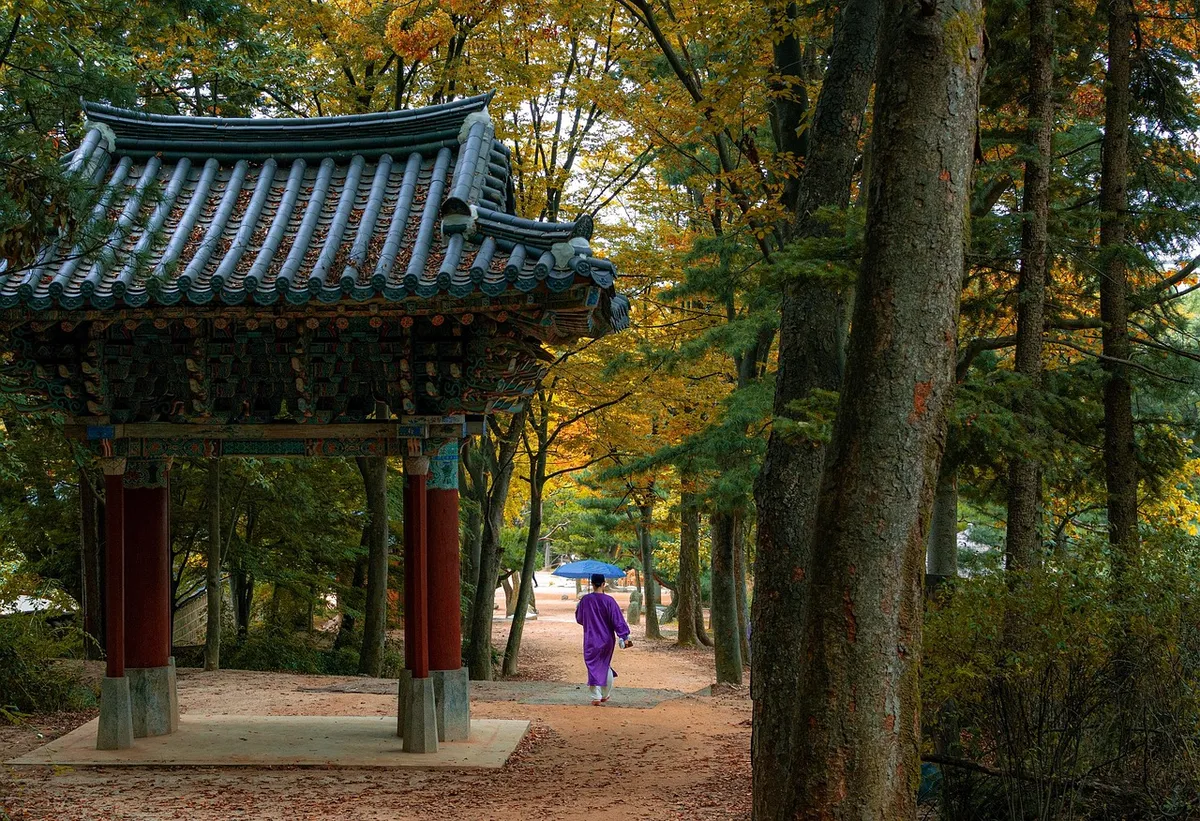
Standing before a historical monument, one feels the weight of past struggles and the triumph of liberation. This historical depth fuels much of the Korean interest in Chamorro history. According to World Bank data, Guam recorded international tourist arrivals of 328,000 in 2020.
The island's history is marked by significant shifts in power and resilience. For example, on December 8, 1941, hours after the attack on Pearl Harbor, Guam was captured by the Japanese. The Japanese occupation of Guam lasted about 31 months before American forces recaptured it on July 21, 1944.
This period of transition is commemorated as Liberation Day. Such a turbulent past creates a narrative of survival that resonates with visitors.
According to Pew Research Center, the 2020 record includes 87.72%.
What defines the unique Chamorro traditions?
A local festival displays colorful attire and rhythmic music that tells stories of ancestors. These unique Chamorro traditions offer a window into a living heritage.
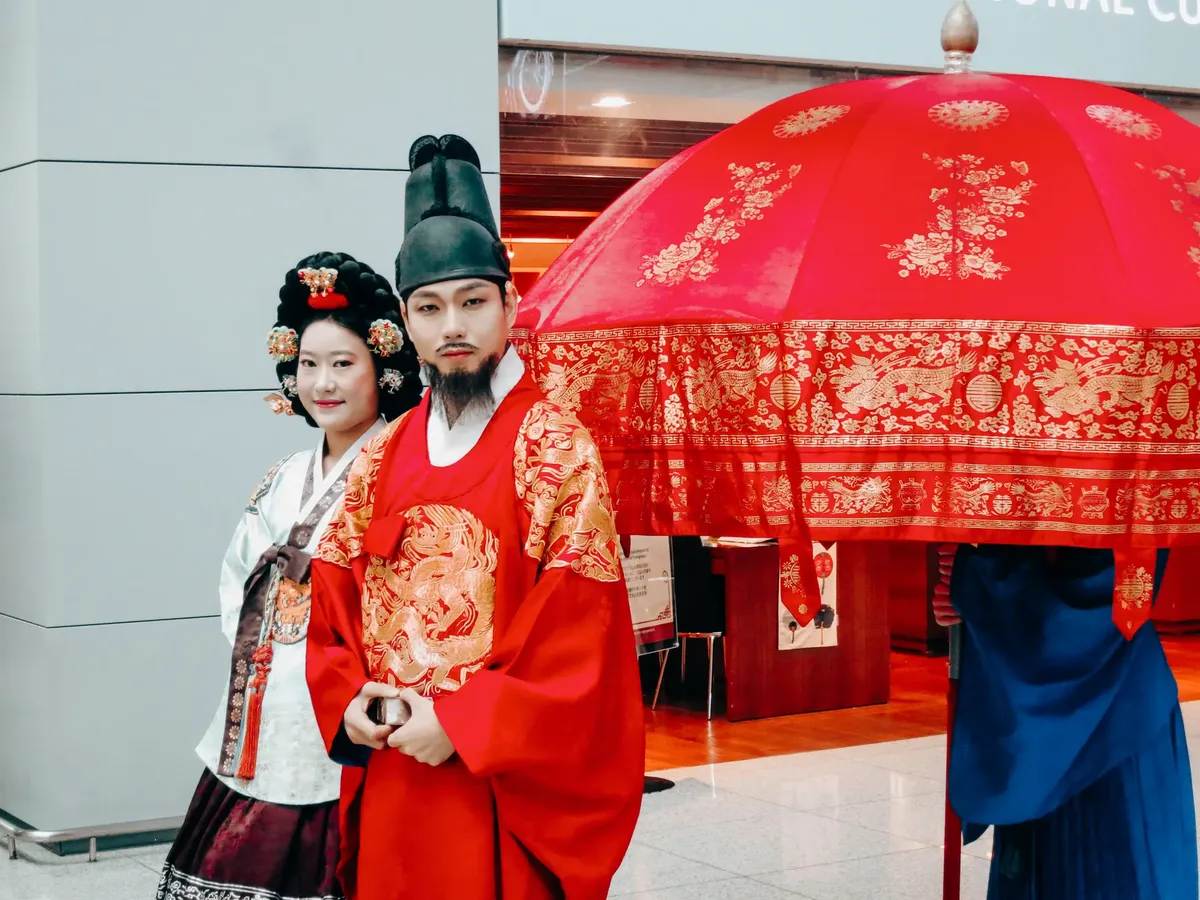
The preservation of language and customs provides a distinct atmosphere for travelers. This cultural essence is a primary draw for those looking for authentic experiences. By engaging with these traditions, visitors gain a deeper understanding of the Pacific identity.
Is there a way to understand the local life experience?
Sitting in a small seaside cafe, one observes the slow, intentional pace of daily life. Immersing oneself in the local life experience allows for a genuine connection to the island.
Interacting with locals provides insights that no guidebook can replicate. Travelers often find that the hospitality of the people is as memorable as the scenery. This direct engagement helps visitors move beyond the role of a mere spectator.
How to approach interacting with locals?
Approaching a conversation at a community gathering requires respect and an open mind. Interacting with locals often starts with a simple greeting or an interest in their daily activities.
- Observe local etiquette and social norms before engaging in deep conversation. 2. Ask respectful questions about the history and traditions being practiced. 3. Listen more than you speak to understand the nuances of the local perspective.
I once sat in a small village square, watching how the elders shared stories with the younger generation. This taught me that understanding the community requires patience and presence.
A limitation of understanding these nuances is that historical data, such as the estimate that war violence killed 10% of Guam's then 20,000 population, highlights a gravity that requires sensitive engagement.
How does understanding the deep cultural understanding affect travel?
Reflecting on a sunset, a traveler realizes that every story told has a place in the larger tapestry of the island. Achieving a deep cultural understanding changes the way one perceives the destination.
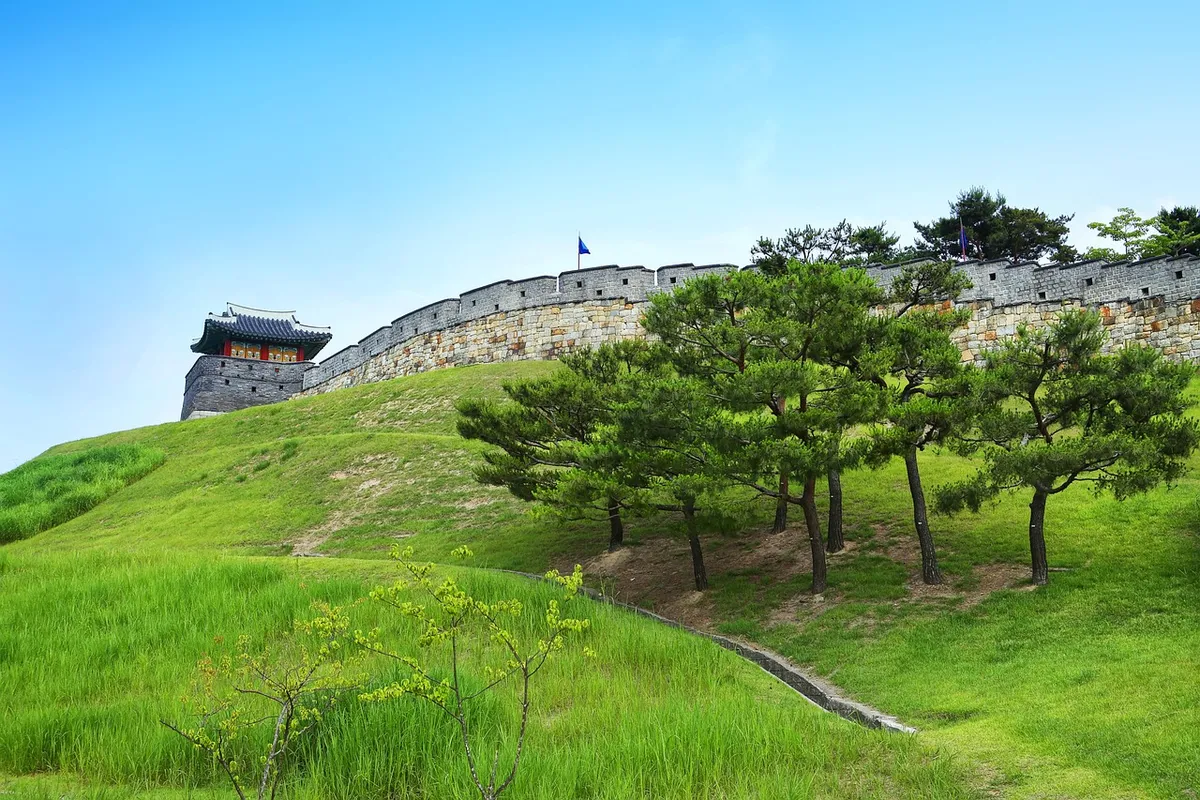
When travelers move beyond surface-level sightseeing, they begin to see the connections between the land and its people. This perspective turns a simple trip into a transformative journey. It ensures that the visit leaves a lasting impression on the soul.
| Metric | Value |
|---|---|
| 2020 International Tourist Arrivals | 328,000 |
| 2022 GDP per capita | US$41,833 |
- Why do people seek out the Chamorro culture charm?
- How does the history shape Korean interest in Chamorro?
- What defines the unique Chamorro traditions?
Why Koreans love Chamorro culture
The subject here is Why Koreans love Chamorro culture.
The same subject is also called Chamorro cultural appeal.
Related
How does the spirit of the island endure through modern changes?
The spirit of the island persists despite the transitions experienced throughout its documented history. The resilience inherent in the Chamorro people mirrors the endurance of the land itself. This continuity is palpable when observing contemporary life against the backdrop of ancient customs.
The island's journey through various administrations has forged a deep, shared memory among its inhabitants. This collective memory contributes significantly to the enduring spirit of the island. The traditions observed today are echoes of those that sustained communities through past trials.
What parallels exist between past struggles and present life?
The struggles of the past echo in the present reality of the island community. The ability of the people to maintain their cultural integrity through change reflects this ongoing connection. This shared experience binds the present generation to the past.
The rhythms of daily life, much like the rhythms of historical survival, require commitment and presence. To truly grasp the spirit of the island, one must observe this delicate balance between continuity and adaptation. This balance is a testament to the community's strength.


Comments 0