8+ Snorkeling Adventures vs. Toddler Dry Beach Play in Guam
"The ocean is a vast playground, but the right way to play depends entirely on how tall your children stand."
Choosing between a snorkeling excursion and a relaxed day at a dry beach is often the difference between a high-energy adventure and a low-stress family bonding session.
Depending on your kids' swimming abilities and fear of deep water, one will feel like a dream while the other might feel like a chore.
* Quick Match: Snorkeling is for explorers (ages 8+) looking for marine life; Dry Beach is for loungers and toddlers (ages 0-6) seeking safe, shallow play. * Planning Tip: Match the activity to your child's swimming confidence and water depth tolerance to avoid a vacation meltdown. * Activity Flow: For a balanced trip, schedule high-energy snorkeling on one day and a low-key beach day on the next to prevent fatigue.

🐠 Snorkeling Adventures: Dive into Guam’s Underwater Wonders
The sun hits the turquoise water at Tumon Bay at 9:30 AM, and you can see the shadows of tropical fish darting beneath the surface. You pull your mask down, adjust the strap, and take a deep breath through the snorkel tube.
Snorkeling involves swimming at the water's surface to observe marine life through a mask. It requires specific gear—a mask, a snorkel, and often fins—and usually involves traveling to a reef or a boat excursion.
These trips often last between 2 to 4 hours, including travel time and safety briefings.
This activity is ideal for children aged 8 and older who are confident swimmers. While some older children can snorkel with life jackets, the requirement to keep a face in the water can be intimidating for those not comfortable with submersion.
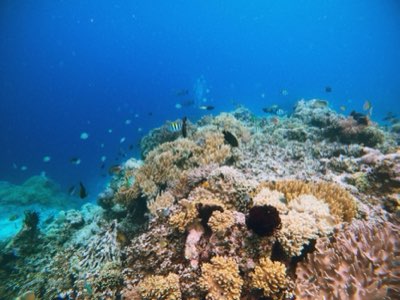
For these explorers, the reward is seeing sea turtles, parrotfish, and vibrant coral reefs up close.
Logistically, you can choose between group tours that depart from various piers or private boat charters. Private tours often provide more personalized attention, which is vital if you are managing a group of kids with varying skill levels.
Always ensure the operator provides a thorough safety briefing regarding reef protection and breathing techniques.
If you are looking for a way to transition from the shore to the sea, you need to know how to prepare your family for the transition.

🏖️ Dry Beach Fun: Safe Sun Play for Little Ones
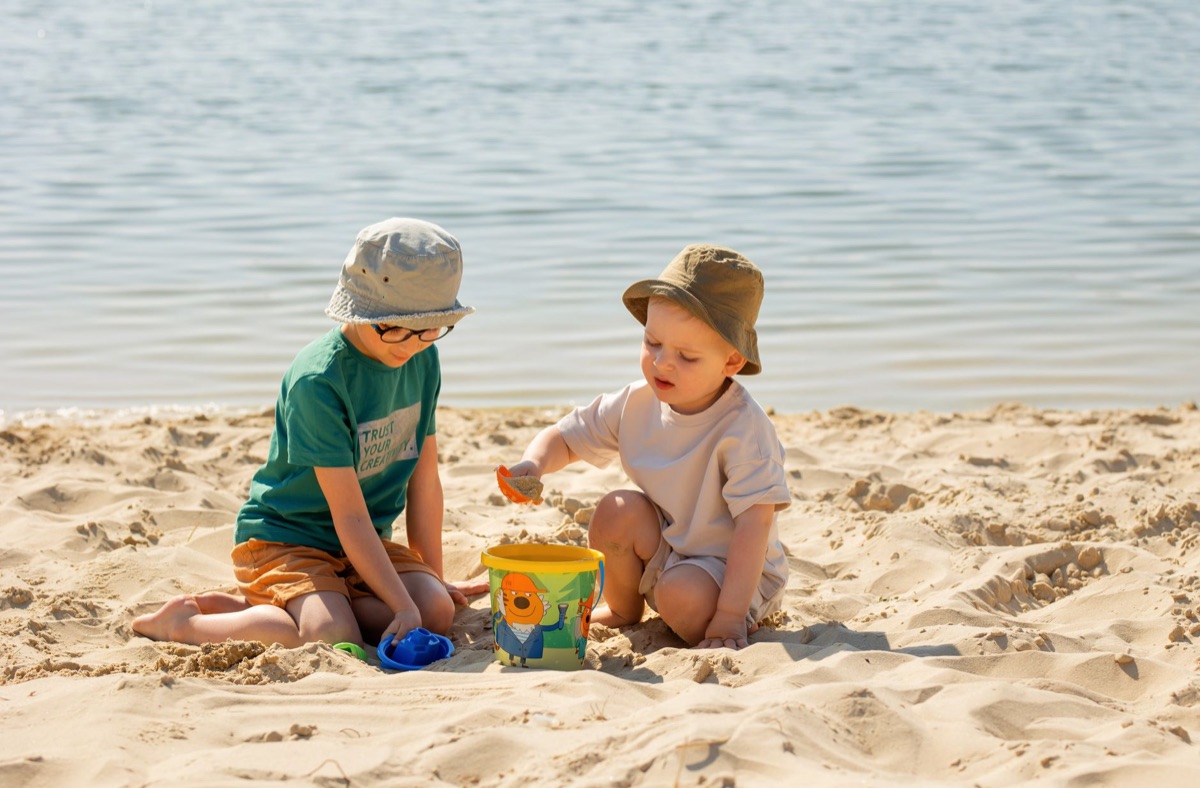
The sound of gentle waves lapping against the shore is constant, and the sand is warm between your toes. A toddler sits in the shallows, splashing water at a passing crab while a parent watches closely from a nearby chair.
Dry beach fun refers to activities that stay within the very shallow, sandy areas of the coastline. This includes wading, building sandcastings, and playing with water toys where the water barely reaches the ankles.
It is a low-commitment way to enjoy the ocean without the need for specialized breathing gear or deep-water swimming.
This is the perfect setting for toddlers and younger children, typically those under the age of 6. At this age, the ocean is often more overwhelming than inviting. A dry beach setting allows kids to get used to the sensation of water, salt, and sand in a controlled, low-stress environment.
The focus here is on accessibility and sensory play. Using buoyancy aids like floaties or life vests is common, but the primary goal is staying in the "safe zone" where the seafloor is easily visible and the water is calm.
This allows for extended playtime without the physical or mental exhaustion that comes from fighting waves or swimming in deeper water.
While the beach offers peace, sometimes the family wants to see what is happening beneath the waves without leaving the shore.
🧭 Matching Activity to Age Group (The Decision Tree)
A family stands at the edge of the water, looking out at the horizon. One child is jumping into the waves, while the youngest is clinging to a parent's leg, eyeing the tide with suspicion.
Deciding between snorkeling and a dry beach depends entirely on the age and temperament of your group. To make the right choice, you can follow this general age-based guide:
| Age Group | Primary Activity | Focus & Requirements |
|---|---|---|
| Toddlers (0-3 yrs) | Dry Beach | Shallow wading, sensory play, and high-quality flotation devices. |
| Young Kids (4-8 yrs) | Hybrid/Beach | Introduction to masks; focus on sand play and gentle splashing. |
| Older Kids/Teens (9+) | Snorkeling | Full immersion; exploring reefs and swimming with fish. |
Toddlers (0-3 years): For this group, stay on the dry beach. Prioritize high-quality flotation devices and look for beaches with very gradual entries. The goal is sensory exploration of the sand and water.
Young Kids (4-8 years): This is the transition phase. Some may be ready for a "mini-snorkel" using a mask while wading, but many will prefer structured beach games. If you do a snorkeling tour, ensure it is a shallow reef excursion.
Older Kids and Teens (9+ years): These are your primary snorkelers. They have the lung capacity and coordination to handle gear. They will likely find the dry beach "boring" and will crave the engagement of seeing marine life.
Family Balance Tip: To prevent burnout, do not schedule a heavy snorkeling excursion every day. Pair a high-adventure day with a low-stress beach day to keep everyone's energy levels stable.
Choosing the right activity is the first step, but you must also prepare for the physical realities of the ocean.
✈️ Planning Your Guam Sea Trip: Logistics & Safety
The wind picks up slightly, and the sky turns a darker shade of blue. You check the local weather report on your phone, noting the humidity and the tide schedule before deciding to head out. According to World Bank, Guam recorded international tourist arrivals of 328,000 in 2020.
In 2025, travel advisories for tropical regions emphasized checking real-time maritime conditions before any water entry.
Safety is the non-negotiable priority for any water activity in Guam. One of the most critical risks is rip currents—powerful, narrow channels of water that pull swimmers away from the shore.
Always check for warning flags at the beach and never allow children to swim alone, regardless of their swimming ability.
Regarding gear, you must decide what to bring and what to rent. While you can buy masks and fins locally, many tour operators provide high-quality gear, including wetsuits for cooler water or specialized buoyancy aids. Always check if your gear fits properly before entering the water.
Timing is also essential. For snorkeling, you want clear water with high visibility, which often occurs in the morning after the wind has died down. For beach days, you must manage the intense tropical heat.
Plan your heavy water activities for the morning and use the hot afternoons for shaded relaxation or indoor activities.
While the ocean is beautiful, understanding the local environment is key to a safe trip.
🗺️ Sample Itineraries: Blending Both Experiences
A calendar sits on the kitchen table, marked with colorful stickers representing different activities. One day is dedicated to adventure, another to relaxation, and the third is a mix of both.
To maximize your time in Guam, you should blend these two styles of engagement. A single-track itinerary—doing the same thing every day—leads to fatigue or boredom.
When I planned my own coastal trips, I found that alternating intensity was the only way to keep everyone from getting cranky by midday.
3-Day Family Sample Plan: 1. Day 1: The Gentle Intro (Dry Beach). Spend the day at a shallow beach like Tumson or a quiet cove. Let the kids get used to the sand and water without the pressure of swimming. 2.
Day 2: The Big Adventure (Snorkeling). Now that the kids are comfortable with the water, head out on a guided snorkeling tour to a reef or a boat excursion. 3.
Day 3: The Balanced Mix. Spend the morning doing a light water activity (like a short snorkel or paddleboarding) and the afternoon relaxing on the beach with snacks and shade.
Activity Choice Criteria Checklist: * High Adventure: Is the child a strong swimmer? Is the water clear? Is the group energy high? (Choose Snorkeling) * Low Stress: Is the child a toddler? Is the tide high? Is the group tired? (Choose Dry Beach)
By alternating these styles, you ensure that both the adventurous teen and the cautious toddler have a successful vacation.



Comments 0