Chamorro culture appeal: Why visitors find roots in island
"The history of the islands is written in the resilience of its people and the depth of its traditions."
The Chamorro culture appeal stems from a unique blend of deep-rooted indigenous heritage and a complex history of resilience that shapes its modern identity. This guide explores why travelers find Chamorro roots appealing by examining the island's historical shifts and its enduring social fabric.
Key takeaways include the impact of historical occupations on local identity, the demographic stability of the region, and the economic context of the island.
Why does the history of the island create a Chamorro history draw?
At dusk in the quiet streets of Hagåtña, I run my hand over the weathered stone walls and feel the heavy weight of a long Chamorro history.
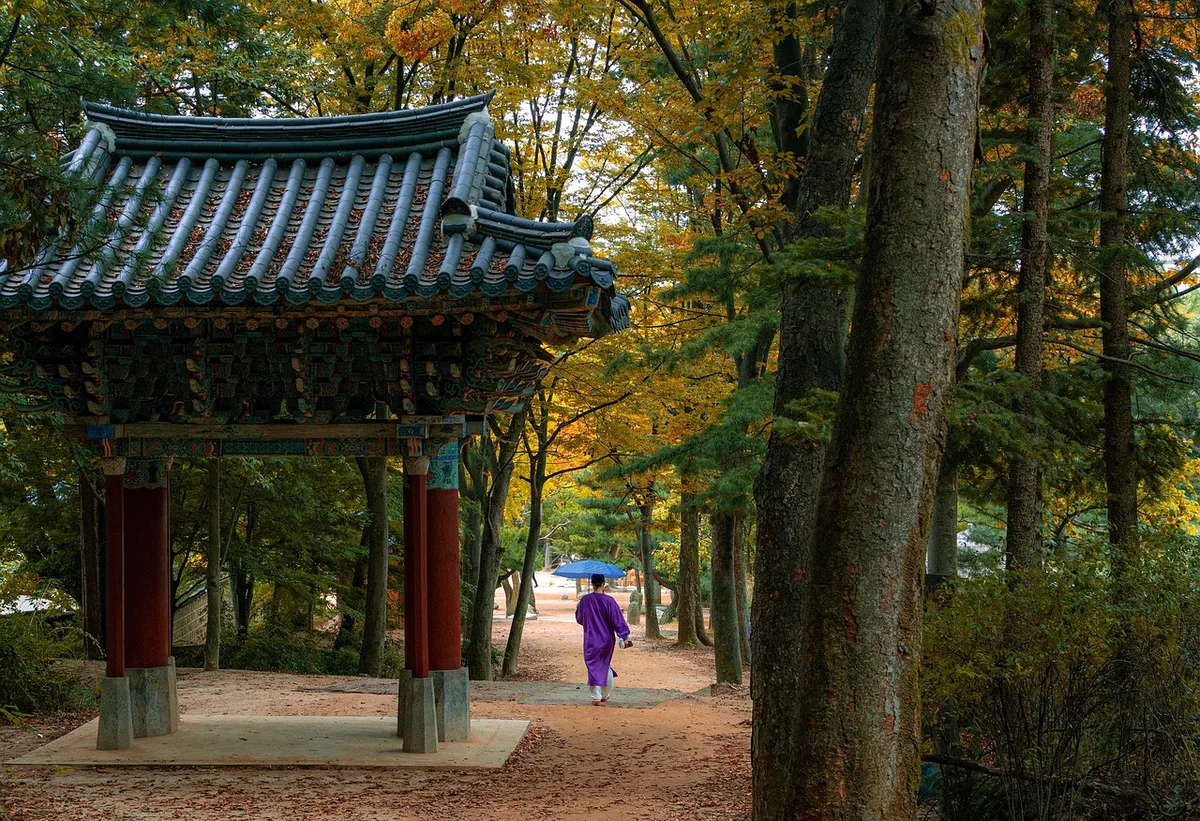
A traveler walks through the quiet streets of Hagåtña, feeling the weight of centuries of change in the humid air. The layers of history are palpable in every stone and every coastal view.
The historical shifts of the island provide a profound backdrop for understanding its current state. On December 8, 1941, hours after the attack on Pearl Harbor, Japanese forces from the Marianas launched an invasion of Guam.
This event marked the beginning of a period of significant upheaval for the local population.
The Japanese occupation of Guam lasted about 31 months. This period of occupation fundamentally altered the social landscape and left lasting imprints on the community. Some historians estimate that war violence killed 10% of Guam's then 20,000 population.
This historical weight contributes to the modern Chamorro charm, as the people have maintained their identity through significant-scale transitions. Understanding these shifts is essential for those looking to grasp the true depth of the island's character.
The layered history of the island, spanning from ancient seafaring traditions to colonial eras, offers a profound look at cultural resilience and evolution.
How does the demographic stability contribute to modern Chamorro charm?
A visitor sits in a local parish, observing the quiet devotion of a community that has remained steadfast through generations of change. The atmosphere is one of continuity and shared values.
The community maintains a strong sense of continuity through its religious and social structures.
According to the Pew Research Center, the religious demography of Guam in 2010 was as follows: In 2020, the Vatican claimed that 87.72% of the population was Catholic, with 54 priests and 64 nuns across 27 parishes. This religious cohesion helps preserve cultural traditions.
This stability is another reason why an island culture interest remains high among visitors seeking meaningful connections. The intersection of faith and tradition provides a stable foundation for the local way of life.
The consistency of these community roles ensures that cultural practices are passed down reliably. This social fabric is a key component of why the local identity remains so distinct.
A consistent connection to ancestral roots ensures that traditional customs remain a vibrant and central part of contemporary life.
What is the economic context of the island?
At the bustling harbor, I touch the rough wooden crates and smell the salty air that defines our coastal Chamorro life.
An individual looks out over the turquoise waters from a high vantage point, contemplating the balance between modern prosperity and traditional island life. The economic reality of the region is a vital part of its modern identity.
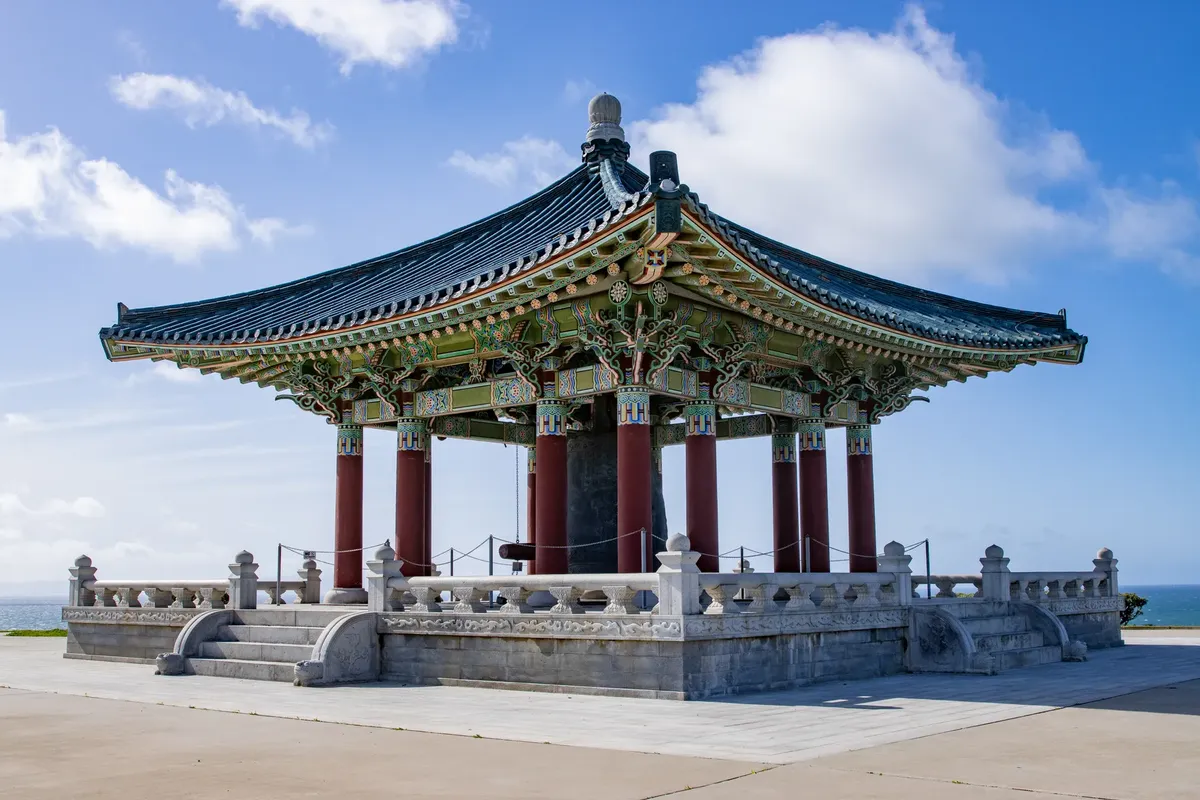
The economic landscape of the island provides a modern context to its historical roots. According to World Bank data, Guam recorded GDP per capita of US$41,833 in 2022. This figure reflects the economic standing of the territory in the modern era.
This economic reality is part of the backdrop for why the Chamorro roots appeal to those interested in the intersection of development and tradition. The ability to maintain a unique culture within a modern economy is a notable feat.
A traveler finds Chamorro roots appealing when they see how the local economy supports the preservation of the community. The balance between modern growth and cultural integrity defines the current era.
The local economy relies on a blend of traditional subsistence practices and modern industries centered on tourism and maritime trade.
How do environmental factors shape the island?
A hiker navigates a lush, green trail during a sudden tropical downpour, feeling the intense vitality of the island's natural environment. The weather plays a decisive role in the rhythm of life.
The environment is a constant force that influences both the history and the daily life of the people. Between 1981 and 2010, Guam's average annual rainfall was 98 inches or 2,490 millimeters. This consistent rainfall shapes the landscape and the agricultural history of the region.
The wettest month on record at Guam Airport was August 1997, which saw 38.49 inches (977.6 mm) of rain. Such extremes highlight the powerful natural forces that residents have lived with for generations.
This environmental reality is a core part of the island's identity. The relationship between the people and their natural surroundings is a fundamental element of their cultural endurance.
The tropical climate and unique geological features dictate the lifestyle, architecture, and agricultural practices of the inhabitants.
What are the steps to understanding the local heritage?
A student opens a heavy history book in a quiet library, tracing the lines of maps and timelines that define the Pacific region. Learning about the culture requires a structured approach to historical and social facts.
To engage deeply with the local heritage, one can follow these steps:
- Research the specific historical periods, such as the Japanese occupation, to understand the shifts in local governance and social structure. 2. Observe the role of religious institutions and community gatherings to see how tradition is maintained in daily life. 3. Study the economic and environmental data to grasp the modern reality of the island's living conditions.
A final check of these steps ensures a well-rounded perspective that moves beyond surface-level tourism. By looking at both the hardships of the past and the stability of the present, a clearer picture emerges.
I found that focusing on the historical impact of the 31-month occupation helped me understand the current social resilience.
One limitation is that historical estimates of population loss during wartime are subject to the interpretations of different historians.
- Visit historical landmarks and archaeological sites to see the physical remnants of the past.
- Engage with local artisans to learn about traditional crafts and techniques.
- Participate in community festivals to experience living traditions firsthand.
Chamorro culture appeal
The subject here is Chamorro culture appeal.
This part also covers Why Chamorro attracts visitors.
This part also covers Island life cultural pull.
Traveler finds Chamorro roots
Related


Comments 0