8+ Years Old? Snorkel Deep or Enjoy Dry Beach Fun in Guam
"The ocean is a vast playground, but the right way to play depends entirely on how tall your children stand."
Choosing between a snorkeling excursion and a relaxed day on a dry beach is often the difference between a high-energy adventure and a restorative family retreat. In Guam, where the water is crystal clear and the reefs are vibrant, your choice will define your family's rhythm for the day.
* Snorkeling: Best for adventurous families with older children who are confident swimmers and want to see tropical fish up close. * Dry Beach: Perfect for toddlers, preschoolers, or those who prefer sandcastles and shallow wading over deep-water exploration. * Decision Strategy: Match the intensity of the activity to your child's swimming ability and your family's energy levels.
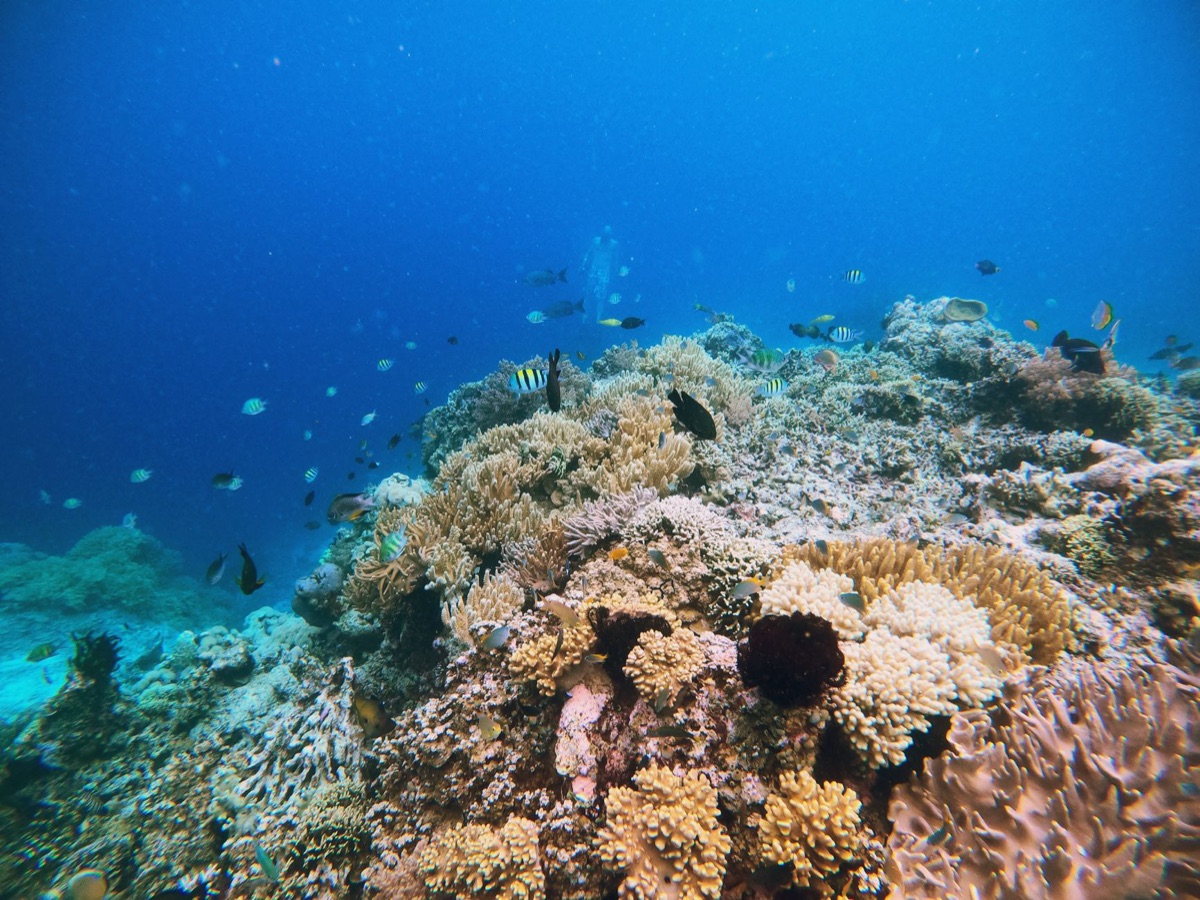
What kind of marine life can I see while snorkeling? The sun hits the turquoise water at Tumon Bay at 10:30 AM, reflecting bright light against the underside of a snorkel mask as a child gasps in silent wonder at a passing clownfish. This is the magic of snorkeling—the transition from the surface to a hidden, colorful world.
According to World Bank data, Guam recorded international tourist arrivals of 328,000 in 2020.
When I first tried snorkeling in the clear waters of Guam in 2025, I remember the weightlessness of the water making the world above feel miles away. It was a sensory shift that changed how I viewed the coastline.
Snorkeling involves using a mask, a breathing tube, and often fins to observe marine life just below the surface. In Guam, you can choose between self-guided snorkeling at accessible spots like Ritidian or guided boat tours that take you to deeper reef systems.
For a family, this usually means packing a waterproof bag with extra sunscreen and ensuring everyone has a properly fitted mask to prevent water from leaking in. In 2026, many travelers are opting for high-quality, silicone-skirt masks to ensure a better seal against the salt water.
This activity is generally best suited for children aged eight and older, or those who are strong, confident swimmers. While life jackets are a must for everyone, the physical demand of breathing through a tube and managing buoyancy requires a certain level of maturity.
If a child is hesitant about putting their face in the water, a snorkeling trip can quickly turn from a dream into a stressful ordeal.
Safety is the absolute priority when venturing into the reef. You must always be aware of ocean currents and rip tides, which can pull even a strong swimmer away from the shore.
Always listen to the local guides during briefings; they understand the specific surge patterns of the reef that a tourist might miss.
But what happens when the water is too deep or too scary for the little ones in your group?
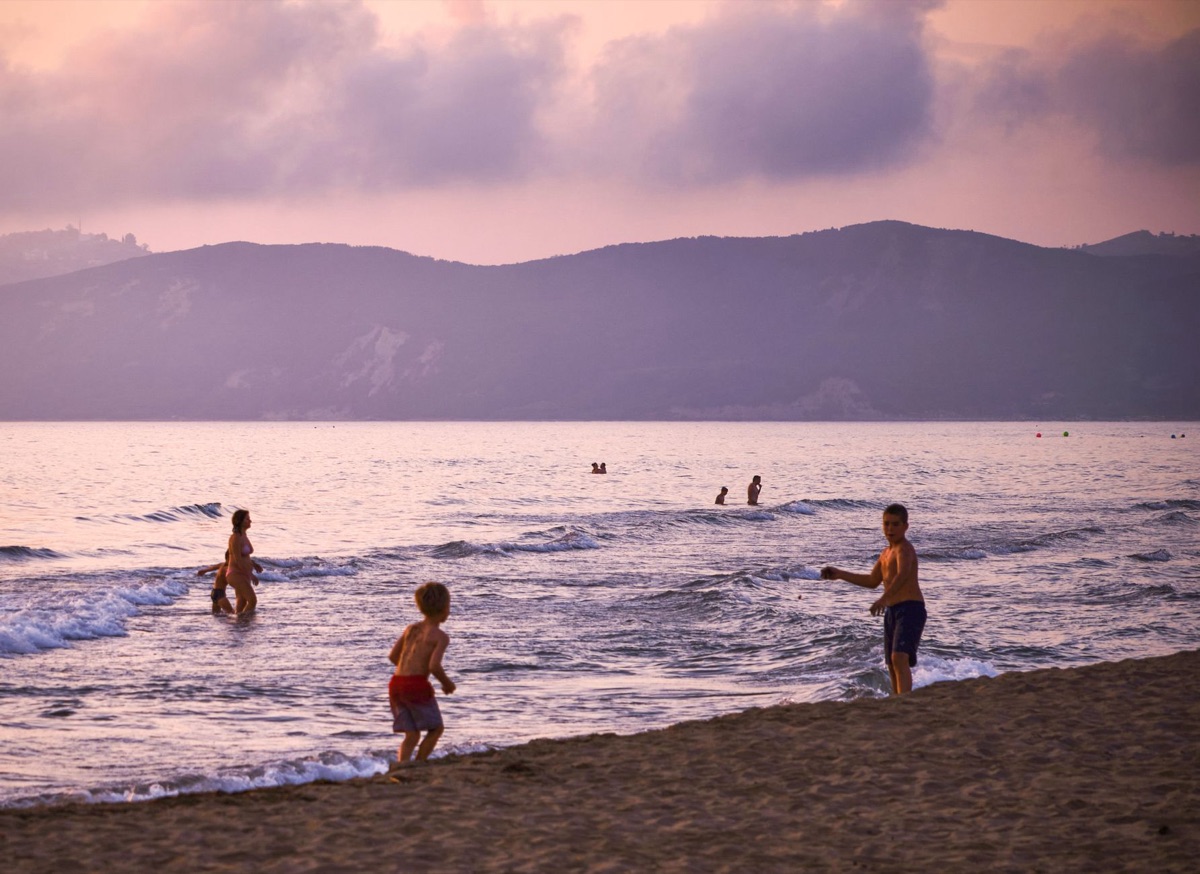
What are some easy, low-commitment beach activities? A toddler sits in the soft, white sand of Tumon at 2:00 PM, eyes wide as a tiny crab scuttles toward the receding tide, completely content without ever needing to submerge. This is the essence of a "dry beach" day—focusing on the shoreline rather than the deep blue.
A dry beach day focuses on activities that happen at the water's edge or in very shallow wading areas. This includes building elaborate sandcastles, searching for seashells, or playing water games in ankle-deep water.
It requires almost no specialized gear beyond towels, buckets, and spades, making it a low-stress, low-budget option for a midday break. A typical set of sand toys might cost between $15 and $25 at a local shop, making it an easy addition to your luggage.
For families with toddlers or preschoolers, this is often the superior choice. Young children often lack the coordination for snorkeling and may find the transition to deep water frightening.
A dry beach setting allows them to explore the sensory delights of the ocean—the warmth of the sun, the texture of the sand, and the cool touch of the waves—at their own pace and within their comfort zone.
Logistically, a dry beach day is much easier to manage than a snorkeling excursion. There is no need to coordinate boat schedules or worry about heavy gear. It allows for a flexible schedule where you can easily pivot to a lunch reservation or a nap if the heat becomes too intense.
However, making the right choice requires more than just looking at the water; you have to look at your family tree.
🧭 Activity Selection Guide: Matching Activity to Child's Age
A mother watches her five-year-old splash in the shallows while her twelve-year-old son disappears beneath the waves to chase a school of yellow tangs. The contrast in their engagement levels perfectly illustrates why age-based planning is vital.
To make the best decision, you must categorize your family members by their developmental stages and swimming capabilities. Use the following breakdown to plan your days:
| Age Group | Recommended Activity | Primary Focus |
|---|---|---|
| Toddler/Preschooler (0-5 yrs) | Dry Beach / Shallow Wading | Sensory play, sand, and gentle splashing. |
| Middle Childhood (6-10 yrs) | Guided Shallow Swims | Introduction to masks and observing fish in calm water. |
| Older Child/Teen (11+ yrs) | Full Snorkeling Excursions | Underwater exploration, reef trekking, and adventure. |
When planning, consider the "Family Dynamic." If you have a mix of ages, you might need to split the group. One parent might take the younger children to a calm beach area while the other takes the older kids on a snorkeling boat tour.
Balancing these different energy levels prevents the "boredom vs. fear" conflict that often disrupts family vacations.
But how do you actually fit these choices into a week of travel without burning everyone out?
✈️ Beyond the Beach: Pairing Activities with Your Guam Itinerary
The morning heat begins to shimmer over the palm trees as the family decides whether to head toward the rugged north or stay near the central shopping districts. Planning your water activities requires looking at the bigger picture of your daily itinerary.
You should never plan a high-intensity snorkeling trip on the same day you have a long drive or a heavy walking tour planned. For example, a morning spent snorkeling in the north can be physically draining.
It is often better to pair a morning of active snorkeling with a relaxed, dry-beach afternoon near your hotel.
Logistics also play a role. If you are staying in a central area like Tumon, you have easy access to both types of activities. However, if you are exploring the southern parts of the island, you may need a rental car to reach specific snorkeling spots.
A well-structured itinerary might look like this:
- Day 1: Acclimatization. Spend the day at a dry beach near your hotel to let everyone get used to the sun and the water.
- Day 2: Adventure. Book a morning snorkeling tour to see the best marine life when the water is clearest.
- Day 3: Relaxation. A slow day of beach games and local shopping to recover from the previous day's swimming.
While a plan sounds great on paper, the unpredictable nature of the ocean can throw a wrench in your plans.
⚠️ Safety First: Essential Precautions for Water Adventures
The sudden sting of a jellyfish or the blinding glare of the midday sun can turn a beautiful moment into a medical emergency if you aren't prepared. In Guam, the ocean is beautiful but demands respect.
When snorkeling, be mindful of local marine life. While many fish are harmless, avoid touching coral or any sea creatures, as some can sting or cause skin irritation.
Protecting the reef is also a way of protecting your family; stepping on coral can cause injury and destroys the very ecosystem you came to see.
Environmental safety is just as critical. The sun in Guam is incredibly strong. Use reef-safe sunscreen to protect both your skin and the ocean, and ensure everyone stays hydrated. Dehydration can lead to heat exhaustion, which is a significant risk during active water sports.
Finally, always check the credentials of your tour operators. If you are booking a boat for a snorkeling trip, ensure the company is licensed and that the captain follows standard safety protocols.
Never swim alone, and always ensure that children are within arm's reach of an adult, regardless of how well they can swim.






Comments 0