Guam Food: Night Market vs. Brunch for Family Adventures
"Don't just eat—experience the local rhythm."
If you are planning a trip to Guam in 2026, you will likely face a constant tug-of-war between wanting to experience authentic local culture and wanting to ensure your kids actually eat something they like.
Should you brave the crowded, sensory-heavy streets of a local night market, or stick to the air-conditioned comfort of a leisurely brunch?
* Night Market: An adventurous, budget-friendly deep dive into Chamorro culture; best for older kids and brave eaters. * Brunch: A predictable, comfortable, and service-oriented experience; ideal for picky eaters and toddlers. * The Balance: Combining both styles provides a complete "Guam Foodie Pattern" that covers both culture and comfort. * Planning Tip: Match your dining choice to your family's energy levels and the specific age of your children.
Why Does Food Matter in Guam? Understanding the Local DNA
The sun is setting over Tumon Bay, and the humidity is just beginning to settle into that heavy, tropical warmth. In 2026, the tourism landscape remains vibrant, reflecting years of steady growth since the post-pandemic recovery period of 2021.
According to World Bank data, Guam recorded international tourist arrivals of 328,000 in 2020.
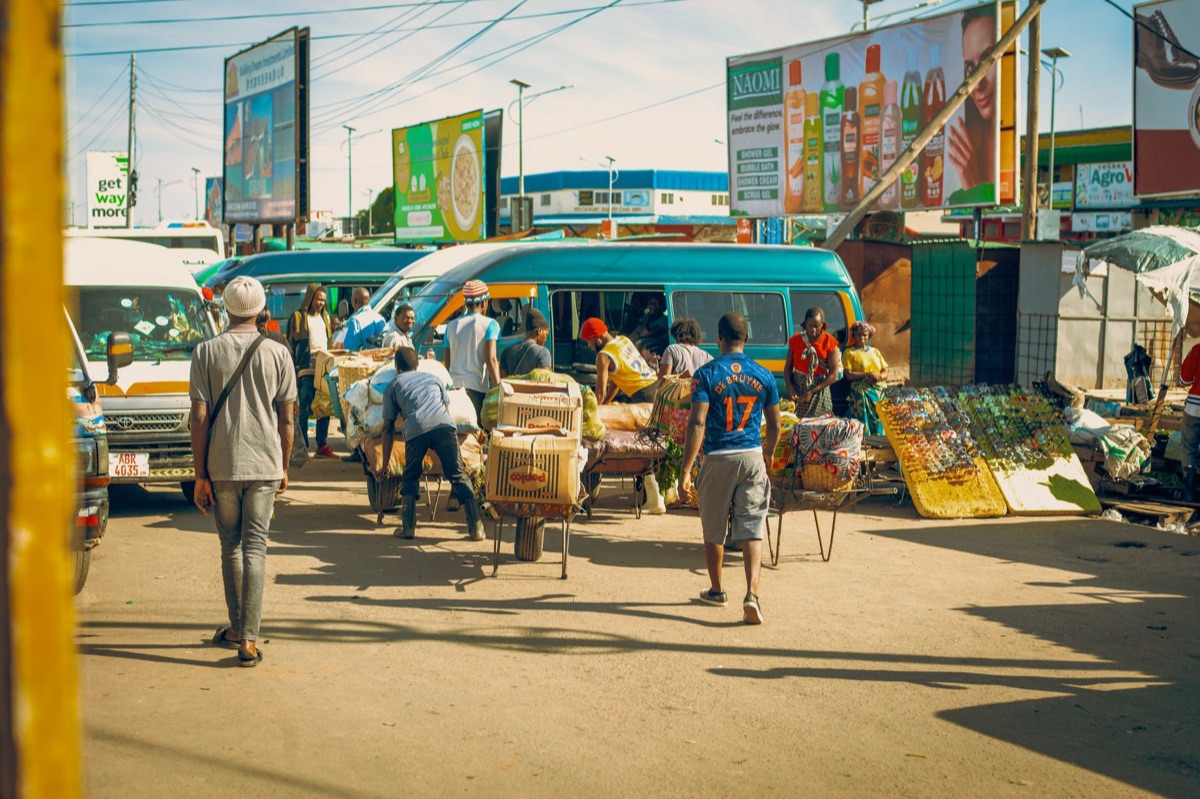
You stand at a crossroads: do you head toward the bustling street stalls where smoke rises from charcoal grills, or do you walk into a quiet, breezy cafe for a plate of eggs and avocado toast?
Guam is a place of deep cultural layers. The indigenous Chamorro heritage is a vibrant, resilient force that defines the island's soul, yet the modern influence of American culture is equally present in every shopping mall and cafe. This duality creates a unique dining spectrum.
On one side, you have the high-immersion experience of the Night Market—a place of loud music, intense aromas, and communal energy. On the other, you have the high-comfort setting of local brunch—a more structured, Westernized way of dining that offers predictability.
For a family, choosing between these two isn't just about hunger; it is about your travel philosophy. Are you on a mission to see how locals live, or are you on a mission to relax and recharge?
Understanding this "Local DNA" helps you decide whether you are looking for a deep dive into heritage or a seamless, easy vacation. But understanding the culture is only the first step; you also have to deal with the physical reality of the heat.
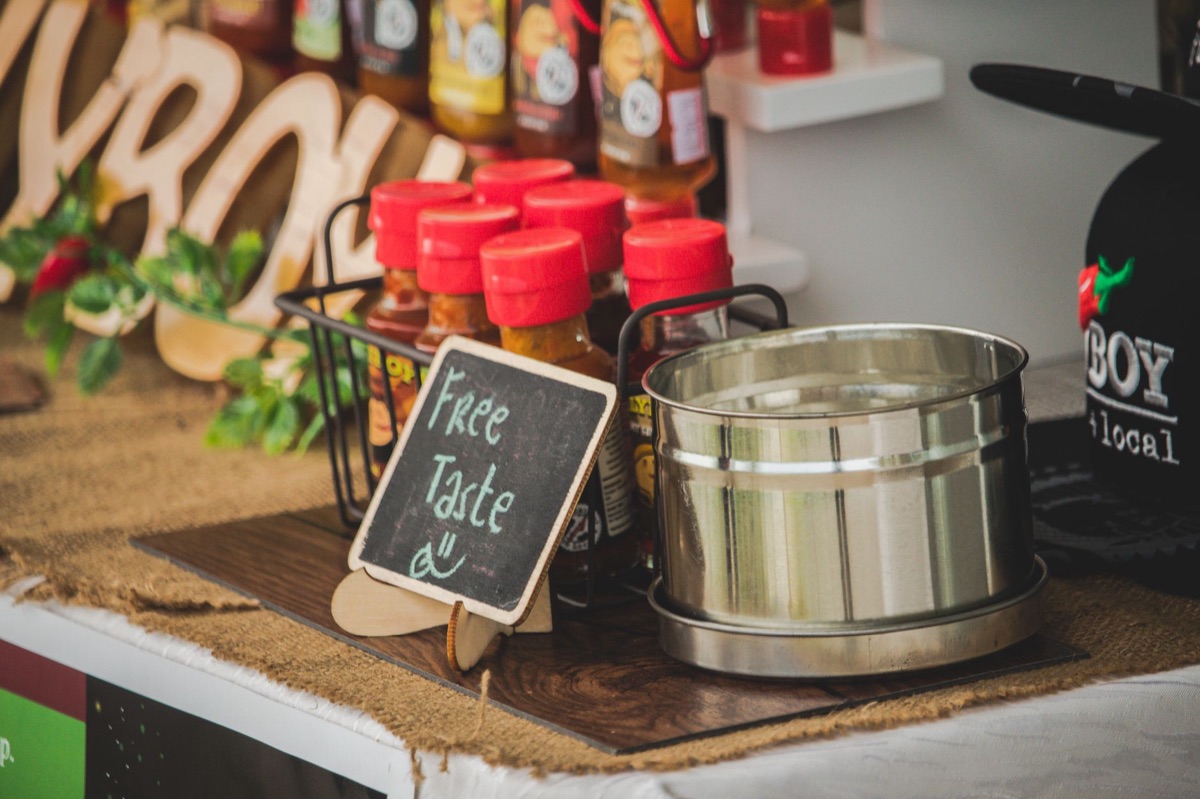
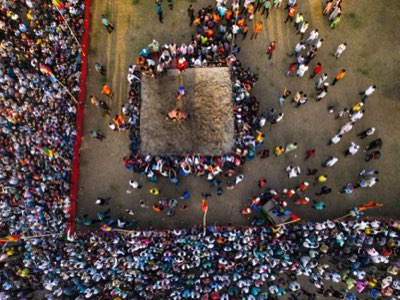
What is the Chamorro night market experience like? The smell of charred meat and sweet coconut hits you before you even see the stalls. It is a Tuesday evening, the air is thick with the sound of local pop music, and the heat from the grills makes the atmosphere feel electric.
You navigate through a sea of people, eyes darting between colorful displays of handcrafted goods and steaming plates of food.
The Night Market is a sensory explosion. It is where the true rhythm of the island comes alive through local vendors selling everything from kelaguen (a citrusy meat salad) to BBQ skewers and sweet treats. It is loud, it is crowded, and it is unapologetically authentic.
To make the most of it, arrive just as the sun goes down to catch the transition from day to night, and always carry plenty of cash, as many small stalls do not take cards.
I remember my first time walking through a crowded market in 2025; the sheer wall of humidity and spice was a shock to my senses, but the smell of grilled pork made it impossible to turn back.
For families, the Night Market is a reality check. For toddlers, the crowds and the heat can be overwhelming, and finding a place to sit can be a struggle. However, for older children and teens, it is an adventure.
They can wander, try small portions of various dishes, and feel like they are part of something real. While it is much more budget-friendly than a sit-down restaurant, the "cost" is often your patience and your comfort level.
But what happens when the sensory overload becomes too much for the little ones?
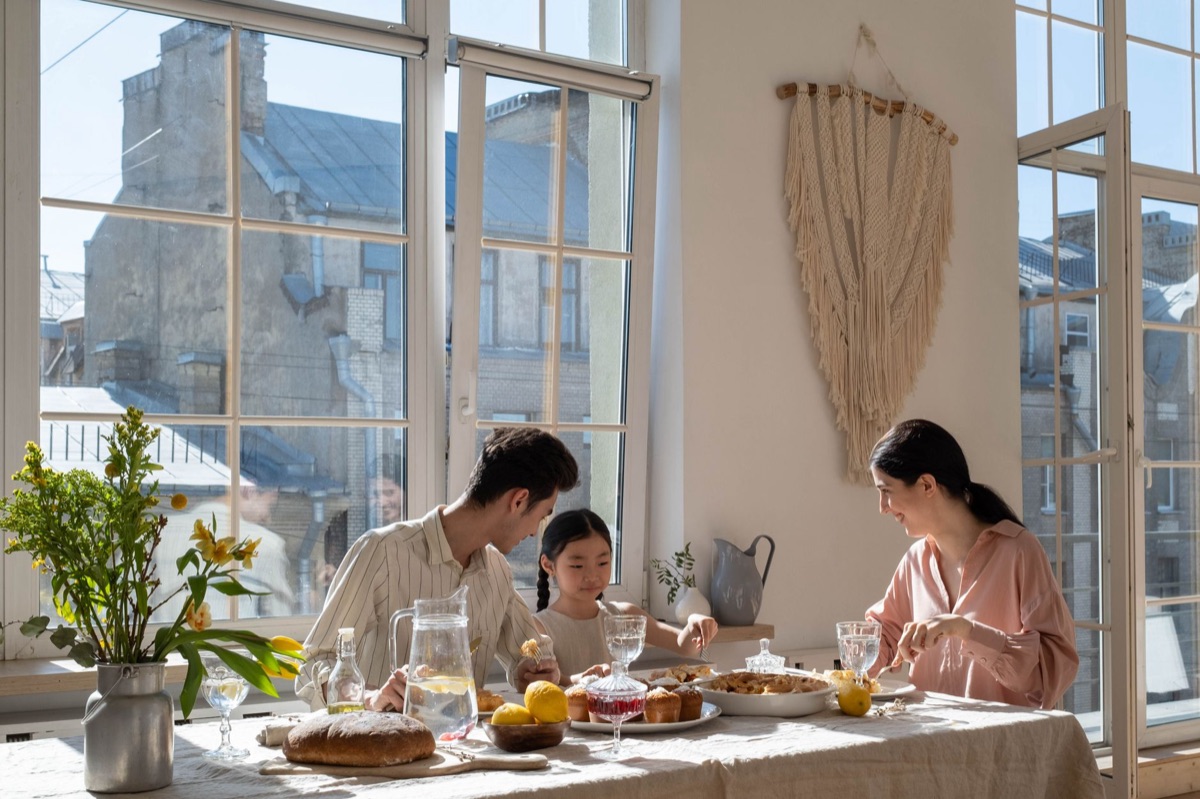
Where can I find local comfort food for the family? The morning light filters through large windows, illuminating a clean, white table setting. The air conditioning is a cool relief against the morning heat, and the sound of clinking silverware replaces the roar of the crowds.
You sit down to a menu that feels both familiar and slightly exotic, offering a sense of calm before the day's activities begin.
Local brunch in Guam often serves as a bridge between Western breakfast traditions and Pacific flavors. You might find classic eggs benedict alongside tropical fruits or local twists on pancakes. This setting is defined by predictability and service.
It is a controlled environment where you can sit for an hour, talk, and enjoy a meal without the chaos of a street festival.
This is the ultimate "recovery" meal. After a long day of snorkeling or exploring historical sites like Fort Nuestra Señia, a structured brunch provides the stability that many families need.
It is particularly effective for picky eaters because the menu is usually clear and the environment is quiet enough to manage a fussy child. It fits perfectly into a morning itinerary, acting as a fuel station before you head out to the beach or a water park.
While brunch offers peace, you still need a way to organize your days to prevent burnout.
Navigating Your Family's Food Pattern: Matchmaking Guide
You look at your kids—one is running around with endless energy, while the other is clinging to your leg, looking a bit overwhelmed by the noise of the nearby street performers. You realize that a "one size fits all" approach to eating won't work for this trip.
To navigate your food pattern, you must match the setting to the age of your children. Use the following guide to make your decisions:
| Child Age Group | Recommended Dining Style | Why it works |
|---|---|---|
| Toddlers (Under 3) | Brunch | High comfort, air conditioning, and predictable seating. |
| Young Children (3-8) | Hybrid Approach | Brunch for main meals; very early/late visits to markets for snacks. |
| Tweens/Teens (8+) | Night Market | High engagement, social atmosphere, and adventurous flavors. |
Step-by-Step: Planning Your Food Strategy
- Assess the Energy Level: If the family is exhausted from travel, choose a brunch setting. If everyone is high-energy and curious, head to the market.
- Check the Menu: For the Night Market, look for "small plate" style foods that allow kids to try things without committing to a full meal.
- Plan the Logistics: If visiting a market, ensure you have a "home base" (like a nearby hotel) to return to if the crowds become too much.
- Balance the Budget: Use the Night Market to save money on dinner, allowing you to splurge on a high-end brunch later in the week.
A "Perfect Day" pairing often looks like this: start with a leisurely, air-conditioned brunch to fuel up, spend the afternoon at a beach or water park, and then head to a local market in the evening for a cultural adventure.
This way, you get the best of both worlds—the comfort of the brunch and the excitement of the local rhythm. But how do you handle the practicalities of money and safety?




Comments 0