Guam trip typhoon prep: Understand rapid storm changes Guide
"The wind howled against the windows, and the sudden darkness of a power outage turned a tropical vacation into a tense struggle for stability."
This guide covers essential safety measures, historical intensity context, and preparation steps to keep children safe during sudden storms.
* Prepare for heavy rainfall and sudden power outages. * Monitor official warnings to ensure family safety.
How should a family handle a sudden storm?
The child grips a parent's hand tightly at the resort balcony as the gray sky of Guam turns dark during the sudden storm.
Families must recognize that weather can change rapidly, much like how a depression can upgrade to a tropical storm.
In historical cases, a depression can quickly upgrade to a tropical storm after a scatterometer pass reveals significant winds. This sudden shift means families must be ready to move indoors and secure their surroundings at a moment's notice.
During such transitions, staying informed through official channels is the only way to manage a changing environment.
However, these measures may be insufficient if the storm causes immediate structural damage to your home. I believe the first step is the most critical for immediate safety.
How much danger does the heavy rain pose?
The child shivers at the window as heavy rain lashes against the glass in Guam, blurring the view of the dark ocean. Rain lashes against the glass, blurring the view of the ocean as water begins to pool on the driveway. A family gathers supplies, knowing that heavy rainfall can lead to immediate flooding and visibility issues.
The Weather Prediction Center reported that multiple locations in Guam received at least 20 inches (510 mm) of rain during Typhoon Mawar, with most of it falling in just three hours. Such intense rainfall can cause flash flooding, making travel dangerous for those with young children.
Being prepared for sudden inundation is a vital part of a Guam trip typhoon season strategy.

Note that these risks are significantly higher in areas prone to flash flooding. I will focus on the primary dangers in the following points.
How can we prepare for power outages?
The lights flicker and then die, leaving the hotel room in sudden darkness as the air conditioner falls silent. A parent reaches for a flashlight, scanning the room to ensure everyone is still accounted for.
Power outages can begin affecting parts of Guam as winds intensify, sometimes occurring before the storm even makes direct landfall. To manage this, follow these steps: 1. Charge all essential communication devices and portable power banks immediately. 2.
Stock up on battery-operated lighting and emergency flashlights. 3. Keep a supply of non-perishable snacks and water accessible for children.
Always check your backup plans once the lights go out.
This preparation is not a substitute for professional electrical repairs if your system is faulty. I find that the third step provides the most practical guidance.
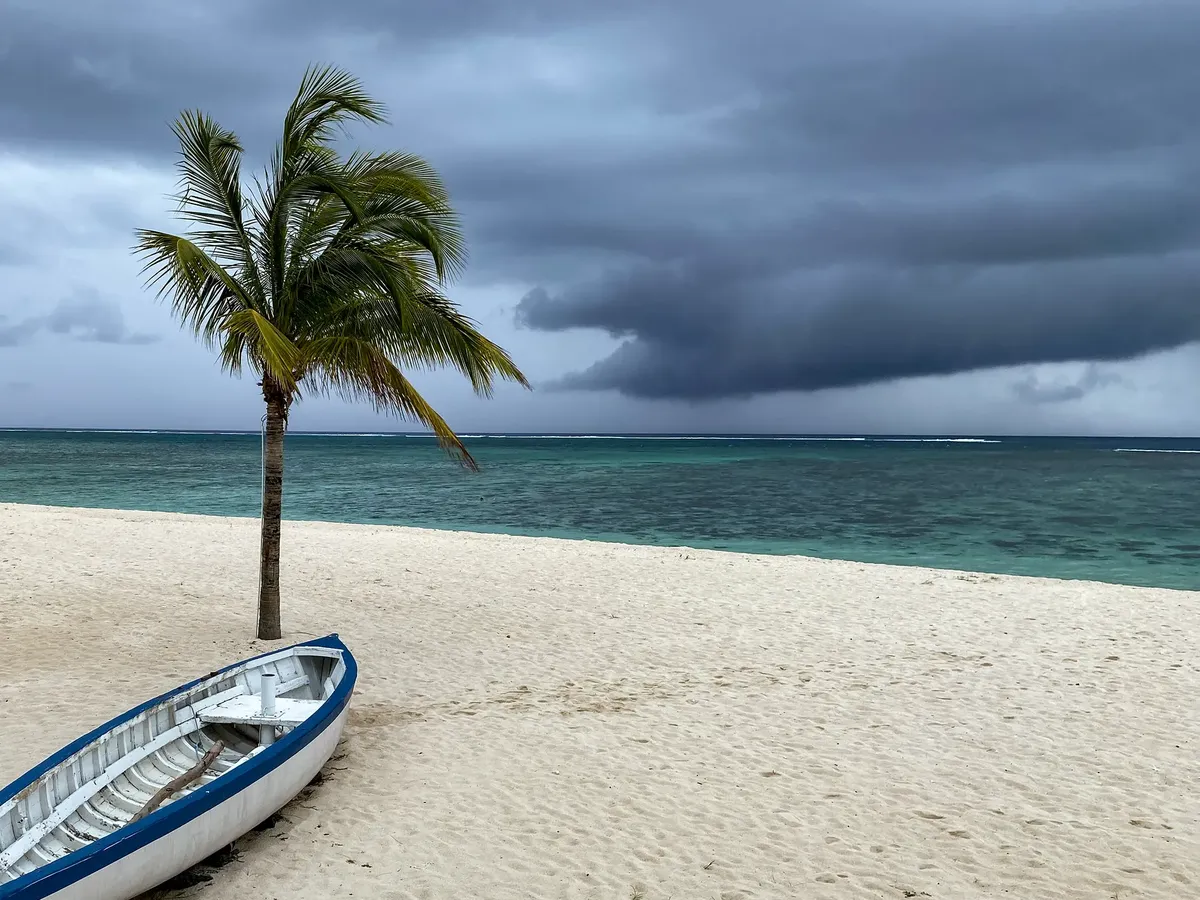
How strong will the winds get? The trees bend sharply under the force of the wind, and the sound of the gusts becomes a constant roar. A family stays away from windows, watching the shutters rattle in the mounting gale.
Wind speeds can reach extreme levels, such as when a storm reaches 215 km/h (130 mph), equivalent to Category 4 strength.

Understanding these potential wind speeds helps families realize why staying indoors is non-negotiable.
| Storm Attribute | Measurement |
|---|---|
| Peak Sustained Winds | 305 km/h (190 mph) |
| Minimum Pressure | 900 hPa (26.58 inHg) |
I remember checking the wind speed on the news and feeling the sudden weight of the atmosphere change through the window.
These expectations may vary depending on the specific geographical terrain. I am noting the range of wind speeds in this section.
How do we stay safe during a typhoon?
A child sits quietly on the floor, playing with a small toy while the storm rages outside the reinforced door. The family remains in a central, windowless room to minimize risk from flying debris. According to World Bank data, Guam recorded GDP per capita of US$41,833 in 2022.
Effective child safety during typhoons involves staying in a secure location and maintaining a calm environment. While the weather is unpredictable, following these steps provides a structure for safety: 1. Monitor official updates from local authorities to stay ahead of the storm. 2.
Secure all loose outdoor items that could become projectiles. 3. Maintain a designated "safe room" within your accommodation.
A final check of all emergency supplies ensures that the family is ready for extended periods of isolation.
These precautions do not apply if you are already in an actively flooded area. I am highlighting the most vital safety steps here.

Wikipedia: Typhoon Mawar Based on the retained excerpt mentioning The Port Authority of Guam: Damages from Mawar to businesses were estimated to be US$111.8 million, The Guam Memorial Hospital's reported damages were at least US$12 million, and The Port Authority of Guam has estimated US$8.2 million in damages, excluding the assessments of fuel piers.
- Preparing for a Guam trip typhoon season requires understanding extreme weather patterns and having a solid emergency plan for your family.
- Key takeaways:
- * Understand the rapid intensity changes possible in tropical storms.
- A child grips a parent's hand as the sky turns a heavy gray and the wind begins to whistle through the resort balcony.
Related
- Why do people seek out the Chamorro culture charm?
- Chamorro culture appeal: Why visitors find roots in island
What should families do when the wind howled?
When the wind howled against the windows, the family needed to enact their pre-planned safety measures. The initial recognition that the weather was shifting rapidly dictated the need for immediate action.
Families must recognize that the storm's progression mirrors the transition from a low-pressure system to a severe weather event.
- Remain indoors and away from glass surfaces during severe gusts. 2. Ensure all doors and windows are securely latched to prevent ingress of debris. 3. Keep communication lines open to receive official advisories regarding the storm's movement.
The sound of the wind, though frightening, signals the need to maintain vigilance regarding the storm's increasing power. The sound of the wind against the structure requires occupants to remain aware of the storm's physical presence.
These actions are only effective if the household remains indoors. I will explain why the final instruction is the most important.
When is the storm at its most dangerous?
The storm reaches its most dangerous phase when wind speeds approach their peak sustained levels. This critical phase correlates with the most significant atmospheric pressures recorded during the event.
- The highest winds, equivalent to Category 5 conditions, occur when the storm is nearing its maximum sustained intensity. 2. This peak intensity coincides with the lowest recorded barometric pressure. 3. During this period, the risk of structural compromise is highest, necessitating maximum caution.
The comparison between the storm's current state and its potential maximum intensity helps families understand the gravity of the situation. The sound of the wind during this phase is often the most pronounced.




Comments 0