Guam Beyond Beach: Discovering Chamorro Roots & History
"The ocean breeze carries more than just salt; it carries the whispers of ancestors and the weight of empires."
If you look past the turquoise waters of Tumon Bay, you will find a land shaped by ancient navigators and colonial stone. To truly know Guam, you must look beyond the poolside lounge chair and into the history of the Chamorro people and the remnants of Spanish rule.
* Guam is a living tapestry of indigenous Chamorro roots and Spanish colonial history. * The architecture of sites like Fort Nuestra Señora de la Soledad offers a tangible link to the past. * Local cuisine serves as a delicious map of the island's cultural fusion. * Deep travel requires balancing relaxation with intentional historical exploration.
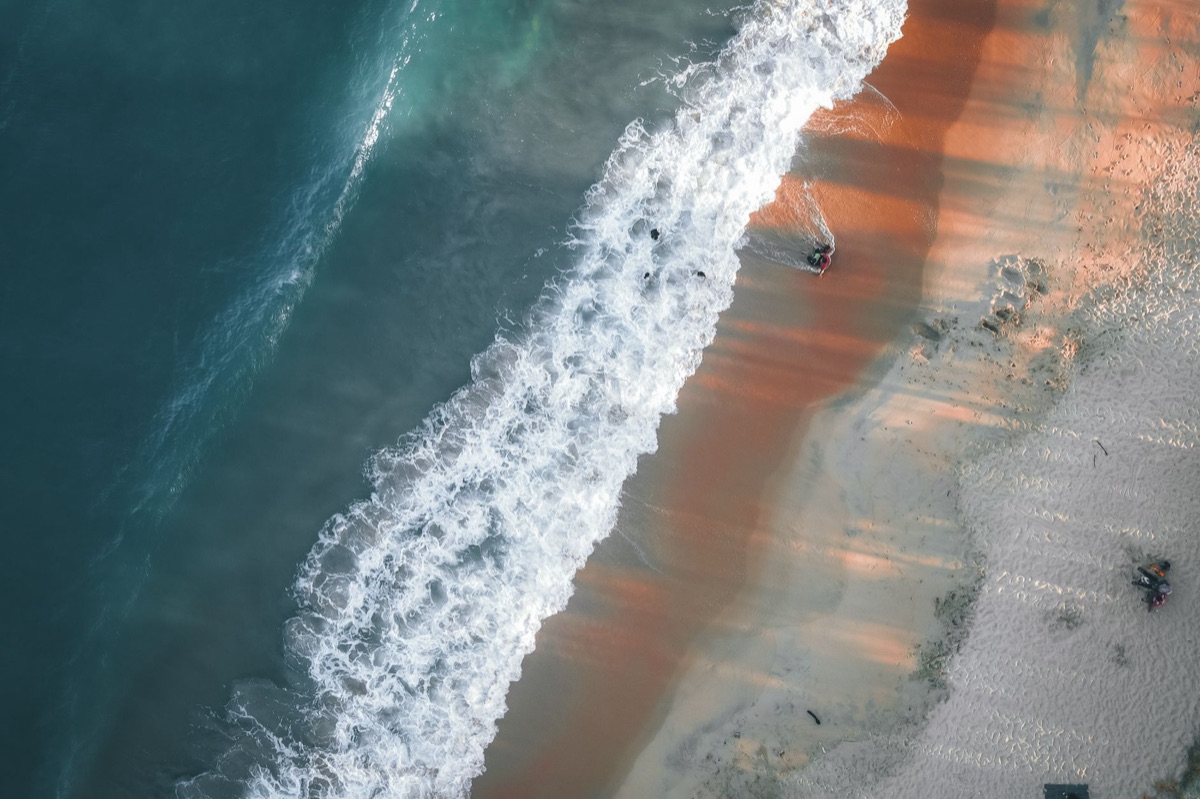
Echoes of the Past: Why do the roots run so deep?
The afternoon sun scorched the red earth as I brushed my hand against a weathered stone, feeling the heavy heat of the past.
The sun beat down on the red earth of a village outskirts at 2:00 PM as I stood looking at a weathered stone structure, wondering how much of the original spirit remained. The heat felt heavy, not just from the 85% humidity, but from the sense of time pressing against the present.
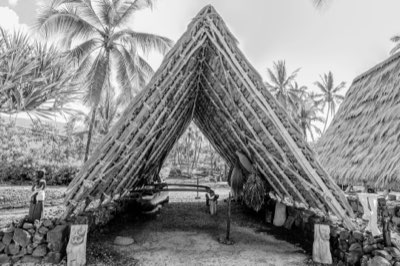
Long before the first Spanish galleon appeared on the horizon in the late 1600s, the Chamorro people navigated these waters with incredible precision. They built a society deeply connected to the sea and the land, utilizing latte stones—massive stone pillars—to support their homes.
This indigenous foundation is the heartbeat of the island, a resilient spirit that survived colonization and modernization. While much of the original architecture has changed, the cultural preservation remains in the way communities gather and the way the language still flavors local expressions.
The land itself is not just a setting for tourism; to the original inhabitants, it was a sacred provider. Understanding this connection changes how you view every coastline and every mountain ridge you encounter. But understanding the roots is only the beginning of the story.
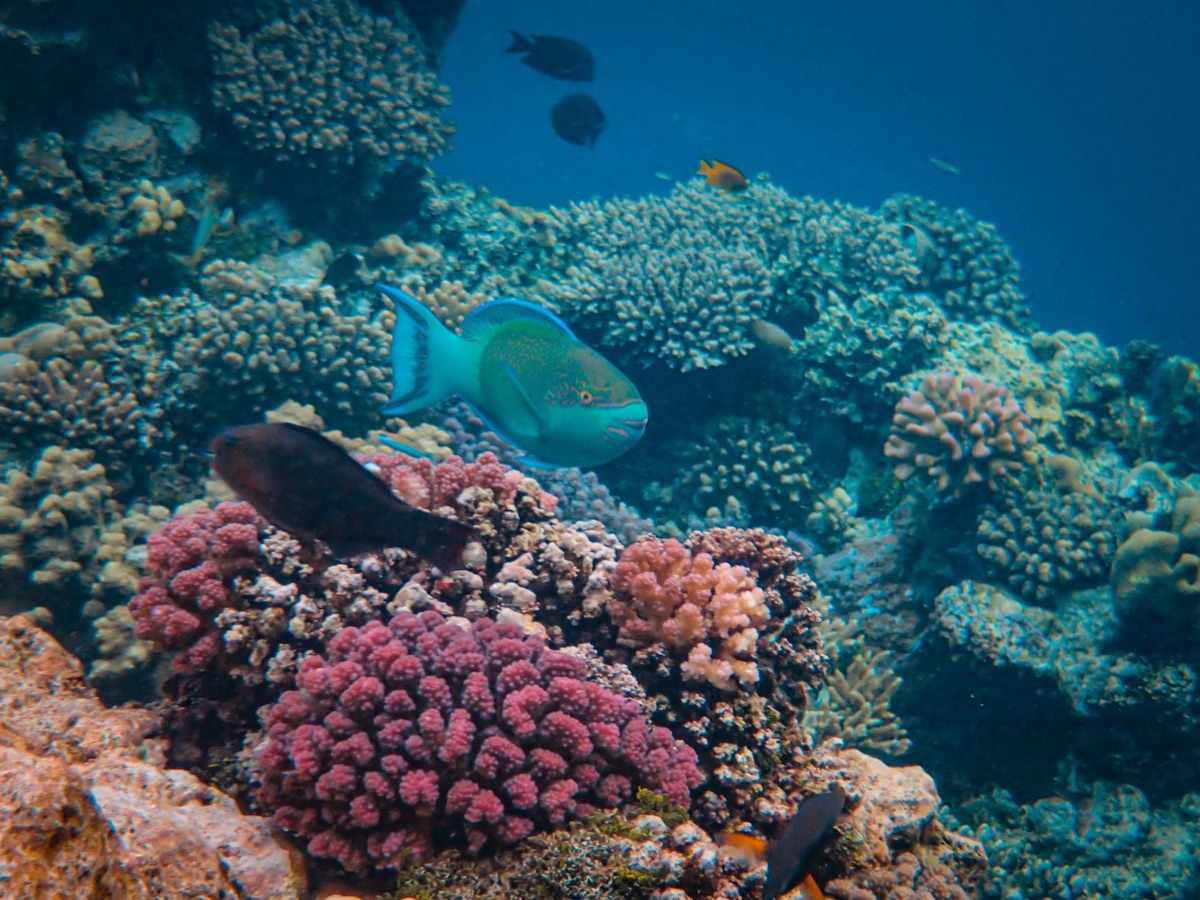
A Fortress in Time: What is the significance of Fort Nuestra Señora de la Soledad?
I climbed the steep, winding path toward the bluff at 4:30 PM, my breathing heavy as the view of the coastline began to open up. The stone walls rose up to meet the sky, looking both imposing and lonely against the vast blue of the Pacific.
The Spanish arrival in the 17th century fundamentally altered the trajectory of the islands. Fort Nuestra Señora de la Soledad was established as a strategic point to protect the Spanish presence and monitor the surrounding waters.
The architecture reflects this colonial necessity, built with thick walls designed to withstand both the elements and potential invaders. Today, the fort stands as a silent sentinel.
It is no longer a place of military tension but a preserved piece of history that allows visitors to walk through the layers of the colonial era.
Standing on the ramparts, you can see why this specific geography was chosen, feeling the strategic weight that the Spanish officers once felt. However, the history of the fort is only one side of the coin.
Where Cultures Meet: Why does the food taste like history?
The smell of grilled meat and citrus wafted through the air at a local gathering at 7:00 PM, mixing with the sound of upbeat music. I sat at a small wooden table, watching how the various influences of the island seemed to blend seamlessly into a single, vibrant atmosphere.
Guam’s identity is a unique hybrid. It is the result of indigenous resilience meeting Spanish traditions, which were later layered with American and other Pacific influences. This synthesis is perhaps most visible in the local gastronomy.
For example, dishes often combine traditional ingredients like coconut and seafood with Spanish-inspired stews or meat-heavy preparations. This blend is not just found in museums; it is lived every day in the villages.
When you walk through local markets or sit down for a meal, you are participating in a continuous cultural dialogue. The food acts as a bridge, where a single plate can tell the story of migration, conquest, and survival. But how do you move from being a spectator to a participant?
Beyond the Beach: How can you achieve deeper travel?
I stood quietly in a small workshop in Hagåtña at 10:00 AM, watching a local artisan work with precision, realizing that I was no longer just a spectator but a guest in a living tradition. It felt different from the usual tourist activities—more intentional, more quiet.
To move beyond the standard beach vacation, you must seek authentic encounters. This means looking for local workshops, visiting historical sites without a rushed itinerary, and engaging in respectful observation. It is about moving from being a consumer of sights to a participant in the atmosphere.
If you want to engage respectfully, follow these steps:
- Research the history of a site before you arrive to understand its significance.
- Observe local customs regarding dress and behavior, especially at historical or sacred sites.
- Ask permission before taking photos of people or private cultural ceremonies.
- Support local artisans by purchasing handcrafted goods that tell a story.
- Listen more than you speak when engaging in cultural exchanges.
By following these steps, you transition from a visitor to a guest. But how do you actually fit this into a real itinerary?
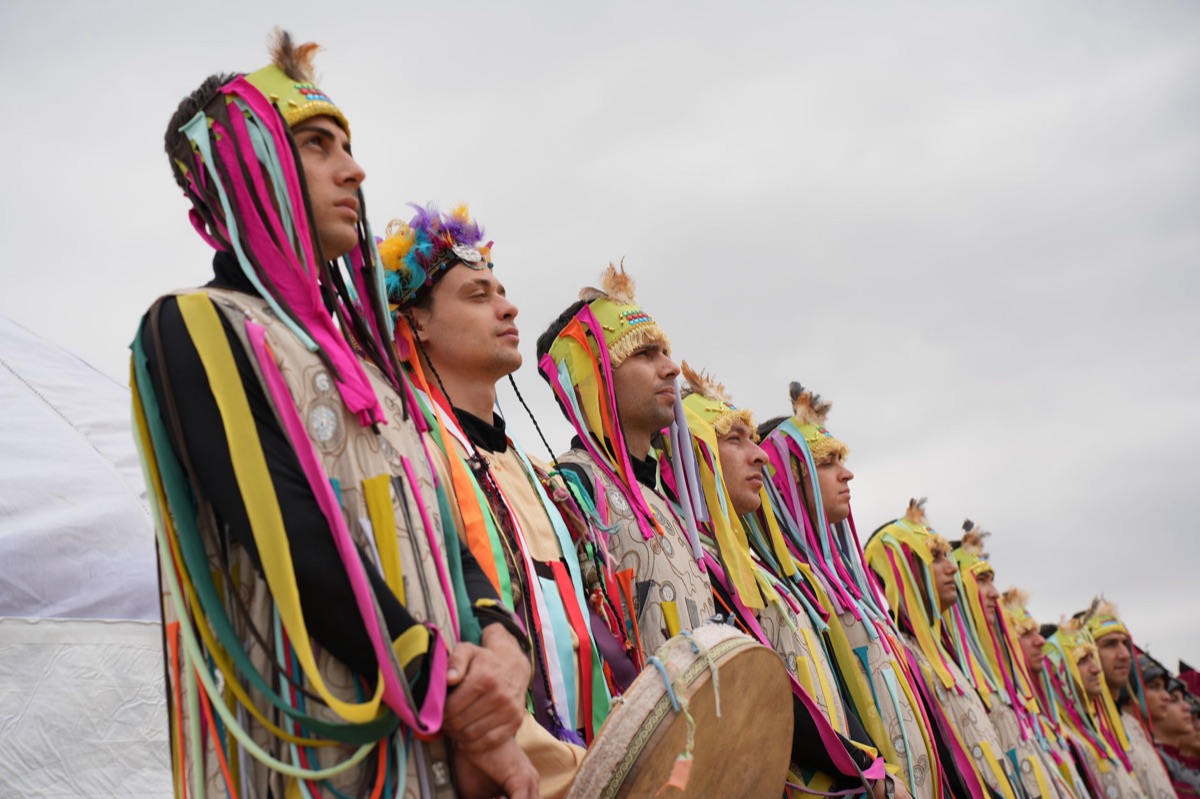
Planning Your Deep Dive: How do you balance it all?
I sat in a quiet cafe in the late afternoon of my second day, looking over my notes and wondering how to fit everything into a single trip without feeling overwhelmed. I realized that a good trip isn't about seeing everything, but about seeing the right things deeply.
Finding the balance between relaxation and exploration is key. You do not need to spend your entire trip in a museum to have a meaningful experience.
Instead, try to dedicate specific mornings or afternoons to historical sites like the Spanish ruins or local heritage centers, leaving the late afternoons for the beach.
| Travel Style | Focus Area | Recommended Time Allocation |
|---|---|---|
| The Relaxer | Beach & Resorts | 80% Leisure / 20% Culture |
| The Explorer | History & Landscapes | 50% Leisure / 50% Culture |
| The Deep Diver | Cultural Immersion | 30% Leisure / 70% Culture |
A quick visit to a fort is a snapshot; a dedicated morning spent walking the grounds is a story. Plan your logistics by grouping historical sites by district to minimize travel time and maximize your presence in the moment.


Comments 0