Guam Family Swim: 7+ vs. Toddlers – Pick Your Adventure
"The ocean is a vast, beautiful playground, but for a parent, it can also be a place of unpredictable currents and sudden exhaustion."
Deciding between a structured snorkeling excursion and a relaxed day at a dry beach is the most common dilemma for families visiting Guam.
The right choice depends entirely on your children's swimming confidence, their age, and whether you want an adrenaline-filled discovery or a low-stress afternoon of relaxation.
Key Takeaways * Snorkeling: High engagement through marine life discovery; best for older children (ages 7+) who are comfortable in deeper water and can manage breathing through a tube.
* Dry Beach: High relaxation through sand play and wading; perfect for toddlers, preschoolers, and families prioritizing ease of movement. * Decision Rule: Choose snorkeling for active exploration and dry beach for restorative family bonding.
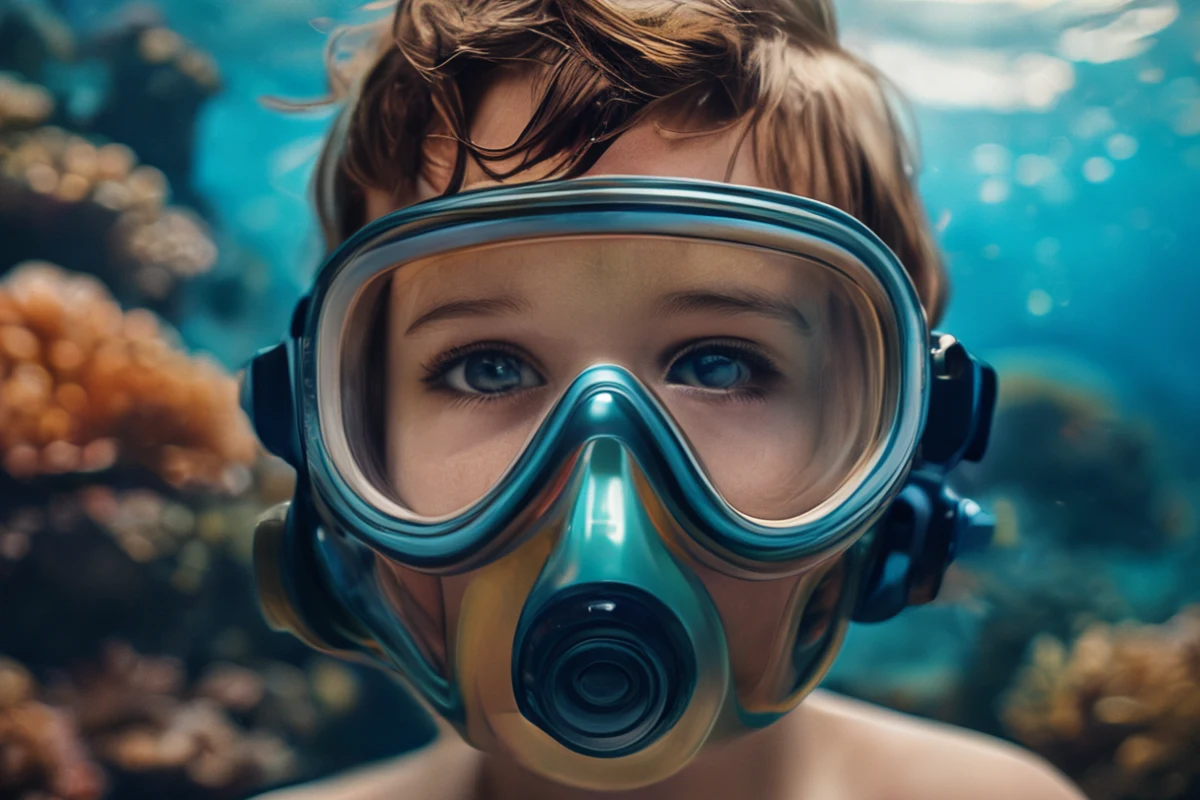
What underwater wonders await me in Guam? The sun hit the turquoise surface of Tumom Bay at 10:00 AM on a Tuesday in July 2026, turning the water into a shimmering sheet of glass as a family prepared to slip into the sea. The kids pulled their masks down, eyes wide with anticipation of seeing the colorful fish they had only seen in books.
According to World Bank data, Guam recorded international tourist arrivals of 328,000 in 2020.
Snorkeling in Guam offers a window into a vibrant, living world of coral reefs and tropical fish. Unlike a simple swim, snorkeling is an active pursuit of discovery.
In Guam, the visibility is often excellent, making it possible to see sea turtles or schools of parrotfish just a few feet below the surface.
For families, age is the primary factor. Children aged 8 and older typically have the lung capacity and coordination to use a snorkel mask effectively. For these kids, the reward of seeing a clownfish in an anemone is an unforgettable educational experience.
However, it requires a level of physical engagement—treading water, managing gear, and staying calm while face-down—that can be taxing.
Logistically, you will need a mask, a snorkel, and often fins. While you can snorkel directly from the shore at spots like Ritidian or certain sections of Tumon, many families opt for boat tours.
These tours take you to deeper reefs where the marine life is more abundant, but they require more coordination for parents managing multiple children.
Safety is paramount in the Pacific. Always check for local currents and sudden changes in water depth. It is vital to teach children to never swim alone and to always keep an eye on the horizon. But what happens when the excitement of the reef meets the reality of a tired child?
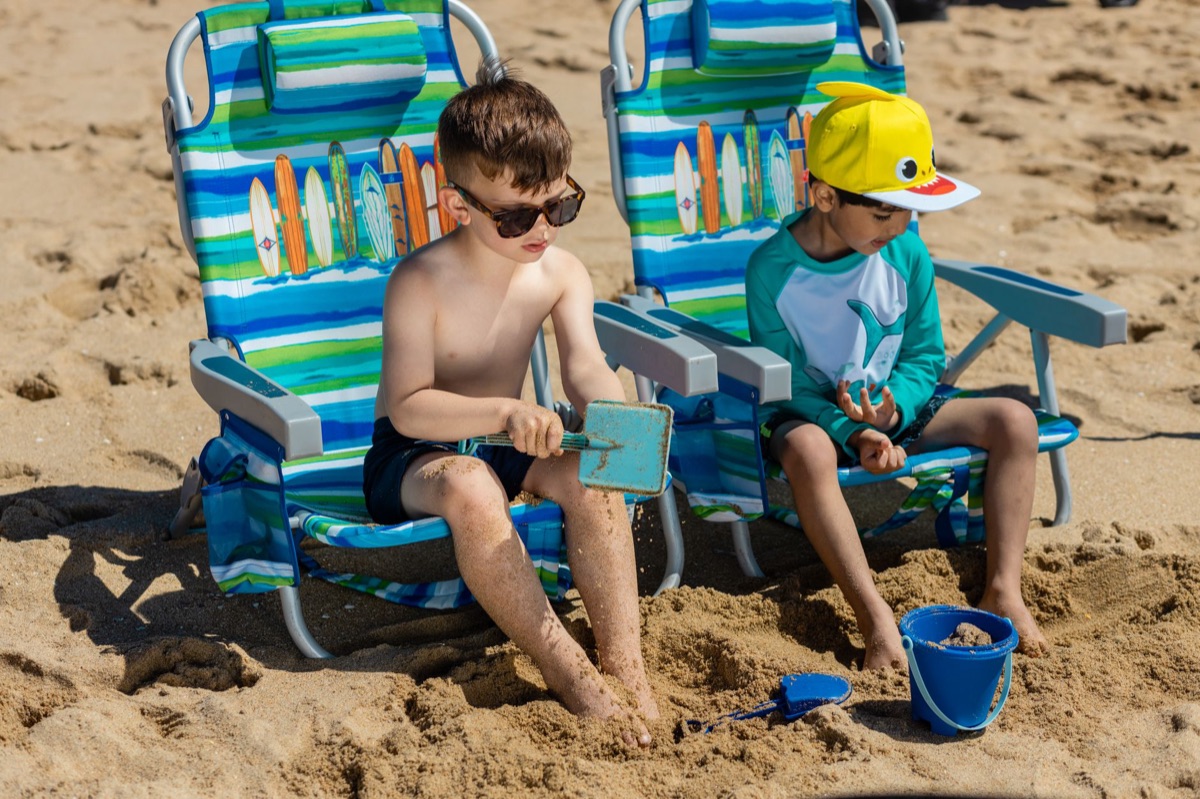
Where can I find safe, sunny beach fun for everyone? A toddler sat in the warm, powdery sand at Ypao Beach at 2:30 PM, building a lopsided castle while the gentle, shallow waves lapped at her ankles. There was no mask to adjust, no deep water to fear—just the rhythmic sound of the ocean and the warmth of the sun.
A "dry beach" day focuses on the coastal environment without the necessity of deep-water immersion. This involves activities like sandcastle building, collecting shells, wading in the shallows, or simply lounging under a parasol.
In Guam, many of the resort-front beaches provide perfect "zero-entry" areas where the water stays knee-deep for a significant distance.
This is the gold standard for families with toddlers or preschoolers. For children under the age of 6, the sensory experience of the sand and the gentle splash of the tide is often more engaging than the technicality of snorkeling.
It provides a low-impact way to enjoy the ocean without the risk of water inhalation or the fatigue of swimming.
The pacing of a dry beach day is incredibly flexible. If a child gets tired, you can move to the shade or head back to the hotel in minutes. It is an ideal scenario when the primary goal of the trip is relaxation rather than high-energy adventure.
It allows parents to supervise multiple children easily while still feeling the sea breeze.
When I was traveling through the islands last summer, I noticed that the most successful days weren't the ones packed with activities, but the ones that allowed for spontaneous naps. The choice between water and sand can feel heavy when you are standing on the shore.
⚖️ Head-to-Head Comparison: Snorkeling vs. Dry Beach
When you are standing on the sand, looking at the vast blue horizon, the choice can feel heavy. To make the right call, you must weigh the intensity of the activity against the developmental stage of your children.
| Feature | Snorkeling | Dry Beach |
|---|---|---|
| Primary Goal | Marine life exploration | Relaxation & sensory play |
| Physical Effort | High (requires swimming/treading) | Low (wading/sitting) |
| Ideal Age Group | 7 years old and up | Toddlers through all ages |
| Gear Required | Masks, snorkels, fins, life vests | Sand toys, towels, umbrellas |
| Complexity | High (requires coordination/instruction) | Low (intuitive and easy) |
The decision usually boils down to two questions: How much energy does the family have, and how confident is the child in the water? If you want a high-impact memory of seeing a sea turtle, go snorkeling.
If you want a peaceful day where everyone can nap or play without stress, stick to the dry beach.
But how do you actually plan this without ending the day in a meltdown?
✈️ Planning Your Perfect Day: Activity Selection Flowchart
Before you leave your hotel in Tumon, take a moment to assess the group's mood. A successful trip often involves a mix of both worlds, but trying to do both in a single morning can lead to exhaustion.
- Assess the Morning Energy: Are the kids waking up hyper and curious? Consider a morning snorkel tour while the sun is lower and the water is calm.
- Check the Weather and Tides: High tides can sometimes make shore snorkeling difficult, while very low tides might expose coral, making wading dangerous.
- Match the Activity to the Schedule: If you have a dinner reservation at a nice restaurant in the evening, a relaxing dry beach day is a better precursor than a tiring boat tour.
- Be Ready to Pivot: If you head to a snorkeling spot and the kids find the masks too difficult, have a backup plan to move to a shallow wading area nearby.
In Guam, the environment is your greatest asset. The transition from the bright, sunny shore to the cool, blue depths is seamless, allowing you to switch between these two modes of travel easily.
🏝️ Beyond the Swim: Integrating Local Guam Culture
The ocean is more than just a playground in Guam; it is a fundamental part of the island's identity. The indigenous Chamorro culture has a deep, ancestral connection to the sea, viewing it as both a provider and a sacred space.
When you participate in these activities, you are interacting with a delicate ecosystem. Respecting the coral during snorkeling and keeping the beaches clean during your dry beach days is a way of honoring the local environment.
Many families find that pairing a morning of water activities with an afternoon visit to a local market—sampling fresh tropical fruits or learning about Chamorro crafts—creates a well-rounded travel experience. After a long day of sun and salt, there is nothing quite like a local meal.
Whether it is a casual lunch by the shore or a structured dinner, the transition from the water to the table is where the best family stories are told.
#


Comments 0