Guam Family Adventures: 7+ Snorkeling or Toddler Beach Fun?
"The ocean is a vast playground, but for a parent, it can also be a source of constant vigilance."
Choosing between a snorkeling excursion and a relaxed day on a dry beach is often the difference between a high-energy adventure and a low-stress relaxation session. For families visiting Guam in 2026, this decision determines whether you are chasing tropical fish or building sandcastles.
* Snorkeling: Best for older, adventurous kids (ages 7+) who are confident swimmers and want to see coral reefs up close. * Dry Beach: Perfect for toddlers, preschoolers, or anyone hesitant about deep water, focusing on shoreline play and shallow wading. * Decision Factor: Match the activity to your child's swimming ability and your family's energy level for that specific day.
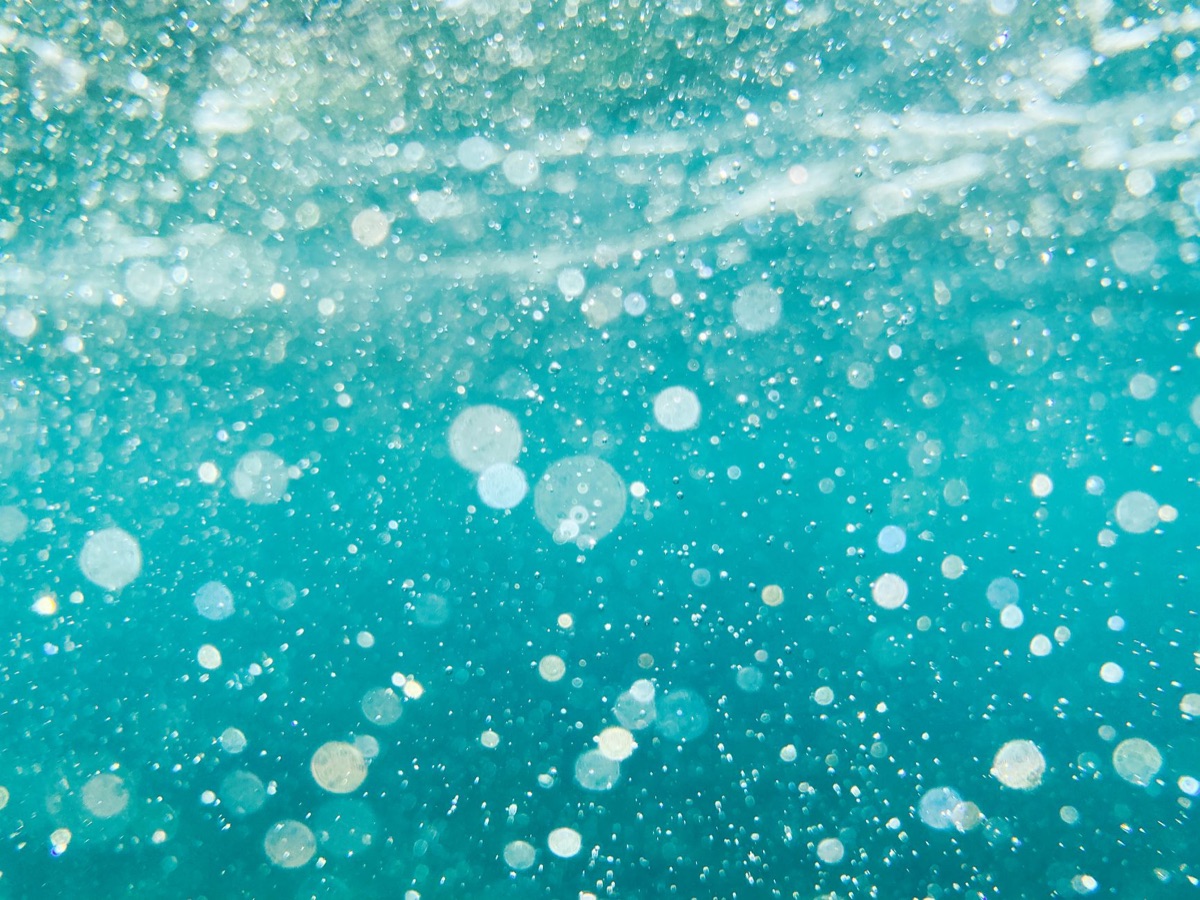
What underwater wonders can I see while snorkeling? The sun hits the turquoise water at Tumson Bay at 9:30 AM, reflecting bright light onto the faces of a family preparing their masks. A child pulls a snorkel into place, eyes wide with anticipation for the hidden world beneath the surface.
According to World Bank data, Guam recorded international tourist arrivals of 328,000 in 2020.
Snorkeling is a sensory-heavy experience that moves the focus from the sand to the sea life. It involves using specialized gear—masks, snorkels, and often fins—to observe the vibrant marine ecosystems that make Guam a premier destination. For many, it is the primary reason for visiting the island.
This activity is generally best suited for children aged 7 and older. At this age, kids usually have the lung capacity to handle breathing through a tube and the physical coordination to navigate gentle currents.
In my own experience, I noticed that even a 7-year-old can struggle with the sudden shift in pressure when they first submerge, so patience is key.
It also requires a certain level of water confidence; a child who is afraid of putting their face in the water will not find this relaxing. If you force a hesitant child into a mask, you risk a meltdown that ruins the entire afternoon.
Logistically, you must decide between self-guided snorkeling at a local beach or a guided boat tour. While self-guided trips are cheaper, guided tours often take you to much clearer, more diverse reef locations.
In 2025, many tours in Tumon offered specialized kid-friendly equipment that made the transition much easier.
If you choose a tour, you will likely deal with boat schedules, life jackets, and group coordination. You might pay anywhere from $45 to $75 per person for a guided excursion, depending on the level of service.
Safety is the absolute priority when leaving the shoreline. Ocean currents and rip tides can be unpredictable, even in seemingly calm waters. Constant adult supervision is non-mandatory—it is essential.
Always ensure every family member has a properly fitted life vest, regardless of how well they can swim. Even a strong swimmer can succumb to fatigue in the open water.
If you are looking for a way to transition from the shore to the sea, setting up a comparison of your child's swimming skills against the local conditions is the first step. But how do you know if they are actually ready for the deep blue?

Is there safe, dry beach fun for my little ones? A toddler sits at the edge of the water at 2:00 PM, where the white foam of a receding wave tickles their ankles. They aren't looking at the fish; they are focused entirely on the way the wet sand disappears beneath their toes.
Dry beach fun—activities confined to the shoreline or very shallow wading—is the ultimate low-stress option. This isn't about deep-sea exploration; it is about sensory play, sunbathing, and gentle splashing. It is a way to enjoy the ocean without the logistical complexity of masks and fins.
This is the gold standard for toddlers and children under the age of 6. For these little ones, the ocean is often a place of wonder and occasional fear. Staying in the shallows allows them to experience the water's temperature and texture without the overwhelming feeling of being "submerged."
Activities in this category include beach walks, collecting seashells, building elaborate sandcastles, or simply playing with buckets and spades. It is a way to maximize "beach time" without the exhaustion that often comes from swimming in deeper water.
The contrast between this and snorkeling is clear: one is an active pursuit of discovery, while the other is a passive pursuit of relaxation. While snorkeling requires gear and physical effort, dry beach play requires only a towel and a sense of whimsy.
Choosing the right setting often comes down to a simple question of age and temperament. But age is only one piece of the puzzle.
##
A group of teenagers laughs as they jump off a boat into deep blue water, while a few meters away, a parent carefully holds a child's hand as they step into a knee-deep tide pool.
To make the best choice, you must look at your family through the lens of developmental stages. Each age group has different needs and different levels of water competency.
| Age Group | Recommended Activity | Primary Focus |
|---|---|---|
| Toddlers (2-5) | Dry Beach / Shallow Wading | Sensory play, sand, and gentle splashing. |
| Middle Kids (6-10) | Introductory Snorkeling | Learning to use gear and seeing first fish. |
| Teens (11+) | Advanced Snorkeling / Boat Tours | Exploration, adventure, and active swimming. |
Ages 2-5 (Toddlers): Focus almost entirely on the dry beach or very shallow shoreline. Keep water sessions short—around 30 to 45 minutes—to prevent fatigue and sun exposure. At this age, the goal is positive association with the water.
Ages 6-10 (Middle Kids): This is the transition period. Some children in this group will be ready for supervised, introductory snorkeling. If you go to a reef, look for areas with very low surge. Building up their confidence gradually is key.
Ages 10+ (Teens and Advanced): These explorers are usually ready for the real deal. They can handle longer snorkeling excursions, boat tours, and perhaps even light snorkeling in areas with moderate currents. For them, the "dry beach" might actually feel boring.
Beyond age, you must also consider your family's internal dynamic. Is your goal a high-energy adventure to burn off energy, or a quiet day of relaxation to recover from travel?
Once you know your "who," you need to figure out the "how" and "when."
🗺️ Planning Your Day: Logistics & Booking Tips
A travel agent's office is busy with families looking at maps and schedules, trying to squeeze every bit of adventure into a limited vacation window.
Effective planning prevents the "vacation meltdown" that happens when a family is tired, hot, or lost. Because Guam is a popular destination in 2026, certain activities require more foresight than others.
If you are planning a snorkeling tour, advance booking is crucial. During peak seasons, the best boat tours and guided excursions can fill up days or even weeks in advance. Having a reservation ensures you aren't left standing on the pier while other groups head out.
Timing is also a vital factor. In the morning, the water is often calmer and the visibility is better for snorkeling. In the afternoon, winds can pick up, creating more waves that might make snorkeling difficult for children. Check the local weather and wind reports before you head out.
If you are still undecided, a great "pro tip" is to follow this checklist to determine your daily plan:
- Check the Tide: High tide can bring more current; low tide might expose beautiful reefs but make swimming harder.
- Assess the Wind: High winds mean more chop, making masks leak and snorkelers struggle.
- Verify the Forecast: Check for any sudden tropical squalls that could change water clarity.
- Match the Energy: If the family had a late night, opt for the dry beach. If everyone is rested, hit the water early.
Always remember to check local marine warnings. If there is a high surf advisory or a storm warning, skip the boat tours and stick to the dry beach.
While you plan your water adventures, don't forget that the island itself has a deep, storied history that exists just beyond the shoreline.
🏝️ Beyond the Swim: Integrating Local Guam Culture
The sun sets over the horizon, casting a golden glow on the ancient stone structures that stand as a testament to the island's long history.
The ocean is not just a playground in Guam; it is a way of life. The indigenous Chamorro culture has a profound, ancestral connection to the sea. For generations, the ocean has provided sustenance, transportation, and a spiritual connection to the land.
When you are enjoying the water, you are participating in a lifestyle that has defined this territory for centuries. To complement your beach days, consider pairing your water activities with a visit to local cultural sites.
For example, after a morning of snorkeling, you might visit the Spanish Ruins or explore the history of the island to provide a sense of place to your children.
You might also balance a high-energy morning of snorkeling with a late afternoon stroll through a local market or a visit to a scenic viewpoint like Two Lovers Point. This creates a balanced itinerary of both active adventure and cultural enrichment.
The transition from the blue of the ocean to the green of the jungle or the stone of historical sites offers a complete picture of Guam.
❓ Frequently Asked Questions
Is it safe to snorkel with young children? It depends on the child's swimming ability and the conditions. For children who cannot swim well, stay in the shallow "dry beach" areas. For those who can, always use a life vest and stay in calm, supervised areas.
Do we need to bring our own snorkeling gear? You can bring your own, but most tour operators and beach resorts in Guam provide rentals. If you bring your own, ensure you have masks that fit children's smaller faces properly.
What is the best time of day for snorkeling? Morning is generally best. The water is usually calmer, and the sunlight penetrates the water more clearly, providing better visibility for seeing marine life.
Can we do both snorkeling and beach play on the same day? Yes, but it can be exhausting. A common strategy is to do a morning snorkeling excursion and then spend the afternoon relaxing on the dry beach to recover.
How do we deal with sun protection? Use reef-safe sunscreen to protect both your skin and the delicate coral reefs. Apply it 20 minutes before entering the water and reapply every two hours.




Comments 0