Guam Family Vacation: Snorkeling vs. Dry Beach for All Ages
The perfect balance between exploring a vibrant coral reef and lounging under a palm tree can make or break a family vacation. In Guam, choosing between a snorkeling excursion and a relaxing day at a dry beach depends entirely on your children's ages and swimming confidence.
* Snorkeling: High engagement through marine life discovery; requires gear and water confidence. Best for older kids and adventurous families. * Dry Beach: Low-barrier, relaxing, and safe; perfect for toddlers or those hesitant about deep water. * Decision Rule: Match the activity to your child’s age and your family’s energy level to avoid vacation burnout.

What underwater wonders await me while snorkeling? The sun hit the turquoise water at Tumon Bay, reflecting bright light against the mask of a young boy as he peered down at a passing clownfish. He stayed low in the water, breathing through a tube, completely mesmerized by the silent world below.
According to World Bank data, Guam recorded international tourist arrivals of 328,000 in 2020.
Snorkeling is an immersive experience that brings you face-to-face with Guam’s incredible marine biodiversity. It involves using specialized gear—a mask to see clearly, a snorkel to breathe while face-down, and sometimes fins to move through the water.
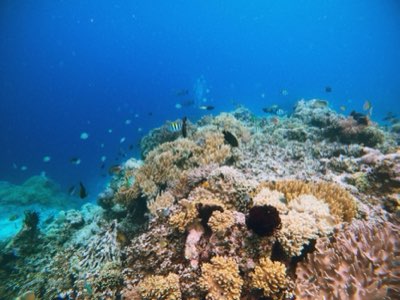
In Guam, the visibility is often excellent, making it easy to spot colorful parrotfish, sea turtles, and various anemones.
This activity is generally best suited for children aged 7 and up, or older kids who are comfortable putting their faces in the water and managing their breathing.
While some children can snorkel at a younger age with parental assistance in very shallow areas, the physical requirement of coordination makes it a "big kid" activity.
It is important to distinguish between "shore snorkeling" and "boat snorkeling." Shore snorkeling involves walking into the water from the beach, while boat tours take you to deeper reefs where the marine life is more concentrated.
For families, a guided boat tour often provides a safer, more controlled environment, but it does require more logistical planning.
Safety is the absolute priority when venturing into the water. Always be aware of ocean currents and rip tides, which can pull even strong swimmers away from the shore. Never let a child snorkel alone, and always ensure they are wearing a life vest if they are not a proficient swimmer.
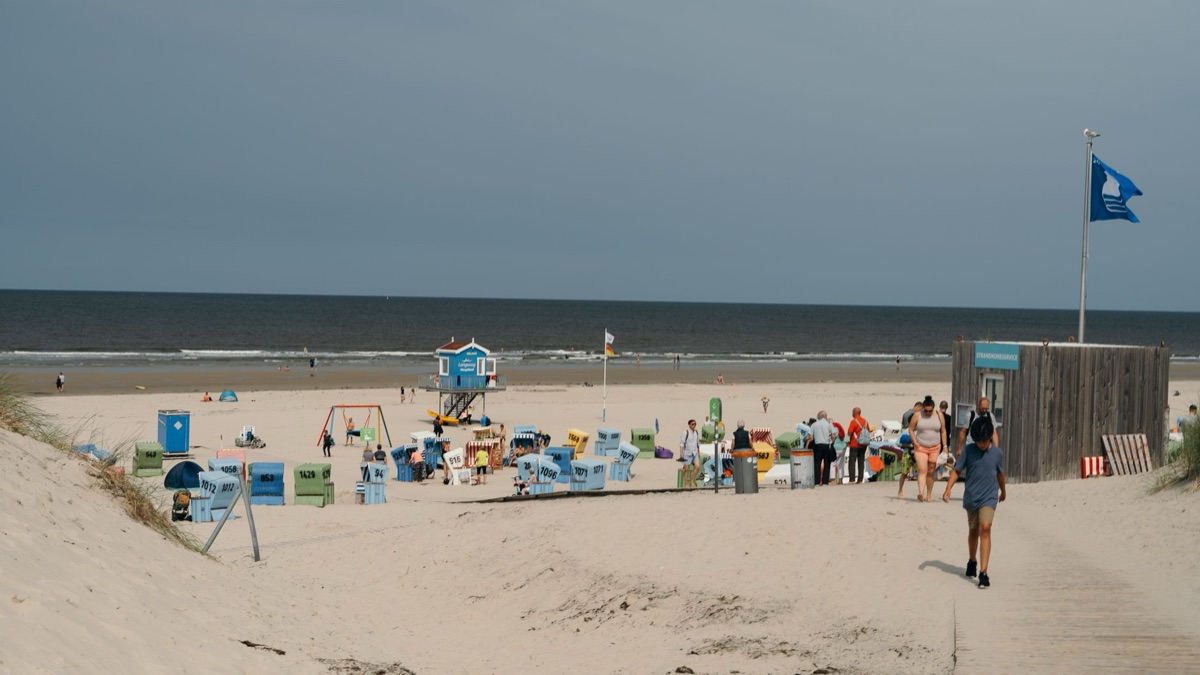
What kind of fun can I have on the beach? A toddler sat in the shade of a large umbrella, digging a plastic bucket into the warm, white sand while the gentle lapping of the waves tickered against her ankles.
She wasn't interested in the deep blue; she just wanted to feel the texture of the sand and watch the small bubbles pop at the water's edge.
A "dry beach" day focuses on the shoreline and very shallow wading rather than deep-water exploration. This involves activities like building sandcastles, collecting seashells, wading in the shallows, or simply lounging under an umbrella.
It is a low-impact way to enjoy the tropical atmosphere without the physical strain of swimming.
This is the ideal choice for toddlers and very young children (ages 0-4) who are still acclimating to the sensation of water. It is also a perfect fallback for adults or older children who might be feeling tired, sun-drenched, or anxious about swimming in deeper areas.
The primary advantage of a dry beach day is the low barrier to entry. There is no expensive gear to rent, no heavy splashing, and very little risk of exhaustion. However, the trade-off is that you aren't seeing the spectacular underwater life that makes Guam famous.
For families with a mix of ages, a dry beach day can serve as a vital "recovery day." If you have spent the previous day on a high-energy boat tour, a day of sand play helps prevent burnout.
It can also serve as a psychological stepping stone; a child who plays in the shallows today might feel brave enough to try a mask and snorkel tomorrow.
🧭 Activity Selection Guide: Matching Activity to Child’s Age
Walking along the shoreline at Ritidian Point, I noticed how the different generations of a single family occupied different zones of the water. The teenagers were diving into the swells, the parents were wading waist-deep, and the youngest were strictly in the wet sand.
Choosing the right activity requires a realistic look at your children's developmental stages and swimming abilities. Use the following guide to help plan your days:
| Age Group | Recommended Activity | Key Focus |
|---|---|---|
| Toddlers (0-3 yrs) | Dry Beach / Shallow Wading | Sensory play, sand, and gentle splashing. |
| Young Children (4-8 yrs) | Hybrid / Guided Shallow Snorkeling | Building water confidence and basic mask use. |
| Older Kids/Teens (9+ yrs) | Full Snorkeling / Boat Tours | Marine life exploration and active swimming. |
| Adults/Teens | Snorkeling / Water Sports | High-energy exploration and photography. |
Toddlers (0-3 years): At this age, the ocean is a sensory playground. Focus on the "dry beach" aspect—sand toys, shade, and very shallow wading. Safety is paramount, so always keep them within arm's reach.
Young Children (4-8 years): This is the transition phase. Many kids in this age group are curious but may be afraid of the water covering their faces. A combination of playing in the shallows and practicing with a mask in knee-deep water is a great way to introduce them to snorkeling.
Older Children and Teens (9+ years): These kids are usually capable of full snorkeling immersion. They can handle the gear, the breathing techniques, and the physical effort of swimming through currents. This is the group that will truly appreciate the beauty of the reefs.
Managing the Family Dynamic: In a multi-generational family, you cannot always do everything together. It is often better to split the group: let the teens go on a snorkel boat trip while the parents and toddlers enjoy a relaxing day at a resort beach.
Trying to force a toddler to snorkel or a teenager to sit in the sand for six hours will only lead to frustration.
✈️ Beyond the Beach: Integrating Activities into Your Guam Itinerary
A travel agent in Tumon sat behind a desk, flipping through a colorful brochure of reef locations while a family debated whether to book a boat tour or a beach cabana. The choice wasn't just about the water; it was about how much time they wanted to spend traveling versus experiencing.
When planning your itinerary, you must consider the duration and logistics of each choice. A snorkeling excursion is often a half-day commitment, including travel time to the site, gear fitting, and the activity itself.
In contrast, a dry beach day can last as long as you want, making it much easier to fit into a tight schedule.
Logistics and Gear: * Snorkeling: Requires renting or buying masks, snorkels, and fins. You also need to consider transport to reefs or boat docks. * Dry Beach: Requires minimal gear—mostly sunblock, towels, and sand toys. It is much more self-sufficient.
Complementary Activities: To keep the trip balanced, pair high-energy days with low-energy days. If you spend a morning on a snorkel boat, plan for a late lunch and a quiet afternoon at a beach club.
If you have a day of heavy shopping at GPO or Micronesia Mall, a morning of snorkeling can provide the perfect natural reset.
Consider the geography of Guam. Some areas are better for pure relaxation (like certain stretches of Tumon), while other areas are prime for snorkeling (like Fish Eye Marine Park or various reef spots). Always check the weather and sea conditions before committing to a boat-based activity.
⚠️ Safety First: Essential Precautions for Water Activities
The bright yellow warning sign at the beach entrance caught the eye of a swimmer, reminding them of the power of the ocean. Even on a beautiful day, the sea is a living, changing environment that demands respect.
Safety is not just about swimming ability; it is about environmental awareness. In Guam, you must be mindful of local marine life. While most fish are harmless, some may nip, and certain coral can cause skin irritation.
Always practice "look but don't touch" to protect both your skin and the delicate reef ecosystem.
Key Safety Rules: 1. Never Swim Alone: Always use the buddy system, especially during snorkeling. 2. Respect the Current: If you see signs of a rip tide or heavy surge, stay in the shallows. 3. Sun Protection is Mandatory: The Guam sun is intense.
Use reef-safe sunblock to protect your skin and the ocean. 4. Use Life Vests: For children and non-swimmers, a life vest is non-negotiable during any water activity. t Environmental Stewardship: Guam’s reefs are beautiful but fragile.
When snorkeling, avoid kicking the coral or stepping on it. Using reef-safe sunscreen is also vital to prevent chemical damage to the organisms you are coming to see.
Always look for certified local operators for boat tours. Professional guides understand the local currents, weather patterns, and marine life better than anyone else, providing an extra layer of safety for your family.




Comments 0